Moroccan Chicken
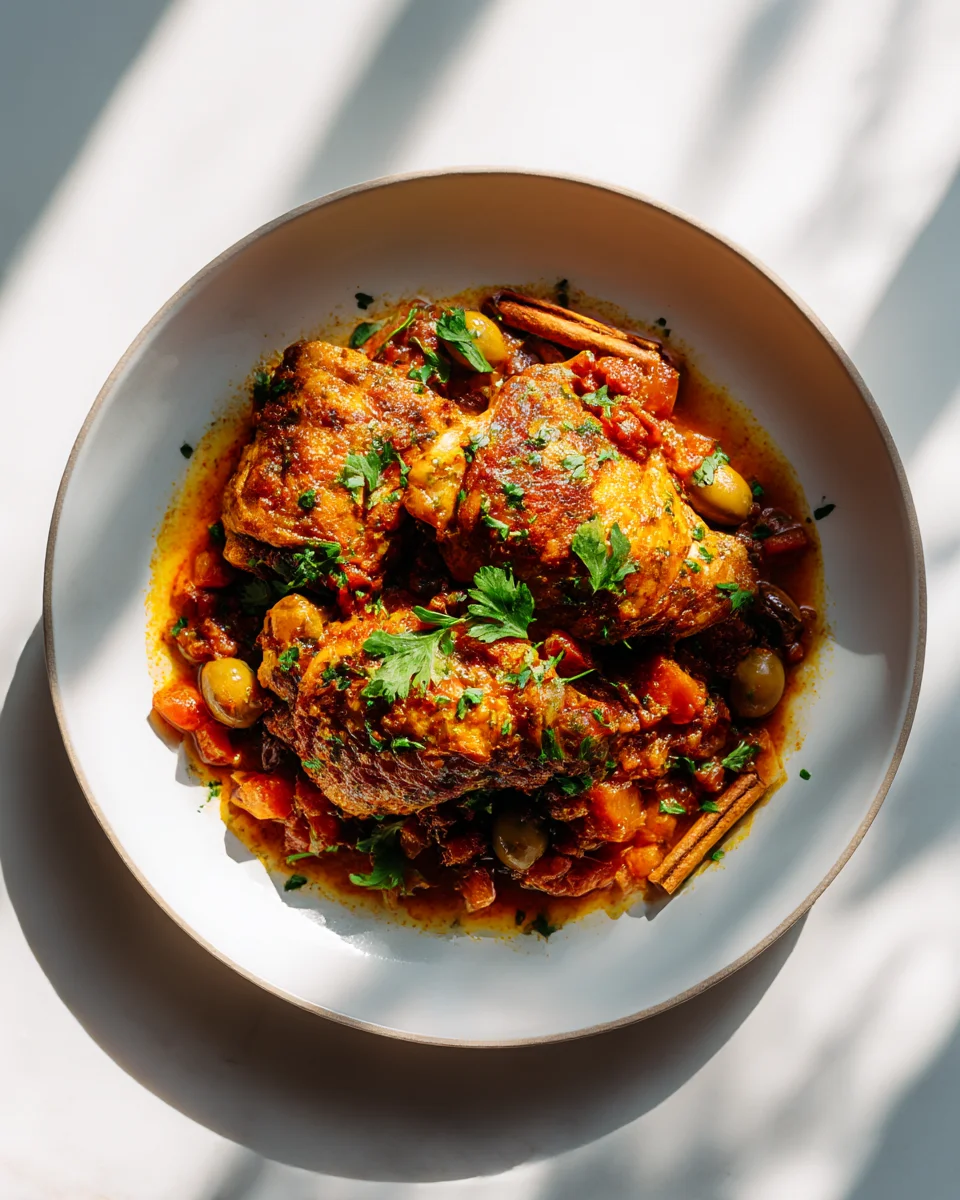
Oh, prepare yourselves, because I am so excited to share one of my absolute favorite dishes with you: Moroccan Chicken! This isn’t just any chicken dinner; it’s a truly special experience that will transport your taste buds straight to the bustling markets of Marrakech with every single bite. What makes it so incredible, you ask? It’s the magical blend of warm, exotic spices – think saffron’s golden hue, the gentle hum of ginger and turmeric, and a whisper of cinnamon – combined with the most incredibly tender chicken that practically melts in your mouth.
You are going to absolutely love making and eating this Moroccan Chicken. It’s the kind of meal that feels wonderfully gourmet and impressive, yet it’s surprisingly straightforward to prepare. The reward is a symphony of flavors: savory chicken, the bright tang of preserved lemons, the salty pop of olives, and often a subtle sweetness from dried fruits like apricots or dates. It’s deeply comforting and utterly delicious, perfect for a cozy weeknight dinner or for truly wowing your guests at your next gathering.
So, what exactly is this culinary marvel? Imagine succulent pieces of chicken, beautifully browned and then slow-simmered in a rich, aromatic broth infused with all those glorious spices, often alongside preserved lemons and green olives. The result is a vibrant, fragrant stew where the chicken becomes incredibly tender, and the sauce is pure liquid gold, begging to be sopped up with some fluffy couscous or crusty bread. Trust me, once you try my Moroccan Chicken, you’ll want to make it again and again!

Ingredient Notes
Crafting a truly authentic and flavorful Moroccan Chicken dish begins with selecting the right ingredients. This stew, often called a tagine even when cooked in a Dutch oven, relies on a beautiful symphony of sweet, savory, and tangy notes. Let me walk you through the stars of this show!
The Chicken: I usually opt for bone-in, skin-on chicken thighs and drumsticks. The bones add so much flavor to the sauce, and the skin, crisped up first, contributes lovely texture. You can absolutely use boneless, skinless chicken thighs or even a whole chicken cut into pieces; just adjust your cooking time accordingly. Boneless cuts will cook faster, so keep an eye on them to prevent dryness.
Preserved Lemons: These are the absolute cornerstone of Moroccan Chicken. They provide an incredible salty, tangy, and deeply aromatic citrus note that fresh lemons just can’t replicate. You’ll typically use just the rind, finely chopped. If you can’t find them, don’t fret! You can substitute with a combination of fresh lemon zest (from 1-2 lemons) and a tablespoon of fresh lemon juice, adding them towards the end of cooking. While not exactly the same, it will still lend a lovely brightness.
Olives: Green olives are traditional here, often the slightly briny, meaty ones like Picholine or Cerignola. Kalamata olives also work wonderfully, adding a fruitier, richer flavor. Make sure they’re pitted for ease of eating. I sometimes use a mix of green and black olives for visual appeal and a more complex flavor profile.
Aromatics: Onion, garlic, and fresh ginger are your foundational flavor builders. I recommend grating or finely mincing the ginger to ensure it disperses well into the sauce. Sautéing these until softened and fragrant is the first step to a truly delicious dish.
Spices: This is where the magic really happens for Moroccan Chicken! You’ll typically find a blend of ground ginger, turmeric (for that gorgeous golden hue and earthy notes), cumin, paprika (sweet or smoked, depending on your preference), and often a touch of cinnamon. Some recipes, including my own, might include a pinch of saffron threads, steeped in hot water, for a luxurious aroma and color. If you have Ras el Hanout, a Moroccan spice blend, it’s a fantastic shortcut, but individual spices give you more control over the flavor balance.
Liquid: I always use good quality chicken broth as the braising liquid. It adds depth and ensures a savory base for our sauce. Vegetable broth is an excellent alternative if you prefer, or even just water if that’s all you have on hand, though it might need a bit more seasoning.
Fresh Herbs: A generous handful of fresh cilantro and parsley, chopped, added at the end, brightens everything up and adds a beautiful, fresh finish. Don’t skip these; they make a big difference!
Step-by-Step Instructions
Let’s get cooking! This process is designed to build layers of flavor, resulting in tender chicken enveloped in a rich, aromatic sauce. While a traditional tagine is wonderful, I’ll guide you through using a Dutch oven or a heavy-bottomed pot, which works just as beautifully.
- Prep the Chicken: Pat your chicken pieces very dry with paper towels. This is crucial for getting a good sear. Season them generously all over with salt, freshly ground black pepper, and about half of your ground ginger, turmeric, cumin, and paprika. Rub the spices into the chicken well.
- Brown the Chicken: Heat a tablespoon or two of olive oil in your Dutch oven or large pot over medium-high heat. Once the oil is shimmering, carefully add the chicken pieces, skin-side down first if applicable, in batches if necessary to avoid crowding the pot. Brown the chicken deeply on all sides until golden brown and beautifully caramelized. This searing locks in flavor. Remove the browned chicken to a plate and set aside.
- Sauté the Aromatics: Reduce the heat to medium. Add a little more olive oil to the pot if needed. Toss in the chopped onion and cook, stirring occasionally, until softened and translucent, about 5-7 minutes. Then, add the minced garlic and grated fresh ginger. Cook for another minute until fragrant, being careful not to burn the garlic.
- Bloom the Spices: Stir in the remaining ground ginger, turmeric, cumin, paprika, and cinnamon (if using). If you’re using saffron, add it now along with its soaking liquid. Cook for about 30 seconds, stirring constantly, until the spices are wonderfully fragrant. This step, called “blooming,” helps to deepen their flavor.
- Deglaze and Add Liquid: Pour in about half a cup of chicken broth. Scrape the bottom of the pot with a wooden spoon to loosen any browned bits – these are packed with flavor! Once the broth has cooked down slightly, pour in the remaining chicken broth. Bring it to a gentle simmer.
- Return Chicken and Simmer: Carefully return the browned chicken pieces to the pot, nestling them into the liquid and aromatics. Add the chopped preserved lemon rind and your pitted olives. Bring the liquid back to a very gentle simmer, then reduce the heat to low, cover the pot, and let it cook.
- Braise for Tenderness: Allow the Moroccan Chicken to braise gently for about 45-60 minutes, or until the chicken is incredibly tender and cooked through. If using bone-in chicken, the meat should practically fall off the bone. If using boneless chicken, it might be ready in 30-40 minutes.
- Reduce and Finish: Once the chicken is tender, uncover the pot. If the sauce looks too thin, increase the heat slightly and simmer gently for another 10-15 minutes, stirring occasionally, until the sauce has thickened to your desired consistency. Taste and adjust seasoning with salt and pepper if needed.
- Stir in Fresh Herbs: Just before serving, stir in the fresh chopped cilantro and parsley. Give it a final gentle stir.
Tips & Suggestions
Making Moroccan Chicken is a joyful experience, and I’ve picked up a few tricks over the years to make it even more delightful. Here are some of my favorite tips and suggestions:
- Marinate for Maximum Flavor: If time allows, marinate your chicken pieces in the spices (salt, pepper, ginger, turmeric, cumin, paprika) for at least 30 minutes, or even better, overnight in the refrigerator. This allows the flavors to truly penetrate the meat, resulting in a more flavorful dish.
- The Tagine Experience: While I’ve given instructions for a Dutch oven, if you own a tagine, absolutely use it! A tagine provides a unique cooking environment where steam condenses and drips back down, keeping the dish incredibly moist. Cook it over low heat or in the oven at a low temperature (around 325°F/160°C).
- Adjusting Spice Levels: Feel free to adjust the amount of spices to your personal preference. Love a bit more warmth? Add a touch more ginger or a pinch of cayenne pepper for a subtle kick.
- Sweet Notes: For a touch of sweetness often found in Moroccan cuisine, you can add a tablespoon of honey or a few pitted dates or dried apricots along with the broth. This balances beautifully with the tang of the preserved lemons.
- Adding Vegetables: This dish is very versatile! You can add chopped carrots, potatoes, or even chickpeas during the last 30 minutes of cooking to make it a more substantial one-pot meal. Sweet potatoes or butternut squash also work wonderfully, adding a natural sweetness.
- Serving Suggestions: Moroccan Chicken is absolutely divine served with fluffy couscous that soaks up all that incredible sauce. Steamed basmati rice or crusty bread for dipping are also excellent companions. A simple side salad or a dish of roasted vegetables would complete the meal beautifully.
- Make it Ahead: This is one of those dishes that tastes even better the next day! The flavors meld and deepen overnight, so it’s a fantastic make-ahead option for entertaining or meal prep.
- Homemade Preserved Lemons: If you’re feeling adventurous, making your own preserved lemons is incredibly rewarding. It takes a few weeks, but the flavor is unparalleled, and it’s surprisingly simple!
Storage
One of the best things about Moroccan Chicken is how wonderfully it stores. In fact, like many stews and braises, I often find it tastes even better the next day once the flavors have had more time to meld and develop!
Refrigeration:
- Allow the Moroccan Chicken to cool completely to room temperature before storing. This is important for food safety and preventing condensation.
- Transfer the chicken and its delicious sauce into an airtight container.
- It will keep beautifully in the refrigerator for up to 3-4 days.
Freezing:
- Moroccan Chicken freezes exceptionally well, making it perfect for meal prepping.
- Again, ensure the dish is completely cool before freezing.
- Portion the chicken and sauce into freezer-safe airtight containers or heavy-duty freezer bags. If using bags, squeeze out as much air as possible before sealing.
- Label the containers with the date.
- It can be stored in the freezer for up to 3 months.
Reheating:
- From the Refrigerator: You can reheat individual portions in the microwave until hot and steaming, stirring halfway through. Alternatively, transfer the chicken and sauce to a pot or skillet and gently reheat over medium-low heat on the stovetop, stirring occasionally, until heated through. You might want to add a splash of chicken broth or water if the sauce seems too thick.
- From the Freezer: For best results, I recommend thawing frozen Moroccan Chicken in the refrigerator overnight. Once thawed, reheat as you would from the refrigerator. If you’re in a hurry, you can gently reheat it from frozen on the stovetop over low heat, stirring frequently and adding a little liquid if needed, until it’s fully thawed and hot.
Enjoy every last delicious bite!
Final Thoughts
And there you have it! I truly hope you embark on the culinary journey of making this incredible Moroccan Chicken. From the first intoxicating waft of aromatic spices filling your kitchen to that unforgettable first bite, this dish is a sensory delight.
What makes Moroccan Chicken a must-try, you ask? It’s the harmonious blend of sweet and savory, the melt-in-your-mouth tenderness of the chicken, and the rich, complex sauce that truly transports you. It’s comforting, exotic, and utterly satisfying, making it perfect for a cozy family dinner or a delightful gathering with friends.
I promise you, once you experience the magic of this particular Moroccan Chicken recipe, you’ll understand why it holds such a special place in my heart – and soon, in yours too. Don’t hesitate, gather your ingredients, and let the incredible flavors of Morocco transform your dinner table tonight!
Authentic Moroccan Chicken: Spiced Perfection, Easy Recipe!
Experience the vibrant flavors of Morocco with this tender and aromatic Moroccan Chicken dish. Perfect for impressing guests or enjoying a cozy weeknight dinner, this recipe is a delightful culinary journey.
- Prep Time: 15 mins
- Cook Time: 60 mins
- Total Time: 1 hour 15 minutes
- Yield: 4 servings
- Category: Dinner
- Method: Braising
- Cuisine: Moroccan
Ingredients
- bone-in, skin-on chicken thighs and drumsticks
- salt
- freshly ground black pepper
- ground ginger
- turmeric
- cumin
- paprika
- olive oil
- onion, chopped
- garlic, minced
- fresh ginger, grated
- cinnamon
- saffron threads (optional)
- chicken broth
- preserved lemon rind, finely chopped
- green olives, pitted
- fresh cilantro, chopped
- fresh parsley, chopped
Instructions
- Pat your chicken pieces very dry with paper towels. Season them generously all over with salt, freshly ground black pepper, and about half of your ground ginger, turmeric, cumin, and paprika. Rub the spices into the chicken well.
- Heat a tablespoon or two of olive oil in your Dutch oven or large pot over medium-high heat. Once the oil is shimmering, carefully add the chicken pieces, skin-side down first if applicable, in batches if necessary to avoid crowding the pot. Brown the chicken deeply on all sides until golden brown and beautifully caramelized. Remove the browned chicken to a plate and set aside.
- Reduce the heat to medium. Add a little more olive oil to the pot if needed. Toss in the chopped onion and cook, stirring occasionally, until softened and translucent, about 5-7 minutes. Then, add the minced garlic and grated fresh ginger. Cook for another minute until fragrant, being careful not to burn the garlic.
- Stir in the remaining ground ginger, turmeric, cumin, paprika, and cinnamon (if using). If you're using saffron, add it now along with its soaking liquid. Cook for about 30 seconds, stirring constantly, until the spices are wonderfully fragrant.
- Pour in about half a cup of chicken broth. Scrape the bottom of the pot with a wooden spoon to loosen any browned bits. Once the broth has cooked down slightly, pour in the remaining chicken broth. Bring it to a gentle simmer.
- Carefully return the browned chicken pieces to the pot, nestling them into the liquid and aromatics. Add the chopped preserved lemon rind and your pitted olives. Bring the liquid back to a very gentle simmer, then reduce the heat to low, cover the pot, and let it cook.
- Allow the Moroccan Chicken to braise gently for about 45-60 minutes, or until the chicken is incredibly tender and cooked through.
- Once the chicken is tender, uncover the pot. If the sauce looks too thin, increase the heat slightly and simmer gently for another 10-15 minutes, stirring occasionally, until the sauce has thickened to your desired consistency. Taste and adjust seasoning with salt and pepper if needed.
- Just before serving, stir in the fresh chopped cilantro and parsley. Give it a final gentle stir.
Nutrition
- Serving Size: 1 bowl
- Calories: 450
- Sugar: 2 g
- Sodium: 800 mg
- Fat: 25 g
- Saturated Fat: 5 g
- Unsaturated Fat: 15 g
- Trans Fat: 0 g
- Carbohydrates: 10 g
- Fiber: 2 g
- Protein: 40 g
- Cholesterol: 150 mg
Keywords: For maximum flavor, marinate your chicken pieces in the spices for at least 30 minutes or overnight. You can also add chopped carrots, potatoes, or chickpeas during the last 30 minutes of cooking for a more substantial meal.


Leave a Comment