Delightful Crispy Gochujang Rice Salad Recipe To Savor
Hey there, fellow food adventurers! I am absolutely thrilled to introduce you to a dish that I know is going to become a new favorite in your kitchen: the Delightful Crispy Gochujang Rice Salad Recipe To Savor. Trust me when I say, this isn’t just another rice dish; it’s an experience, a symphony of flavors and textures that will completely captivate your taste buds.
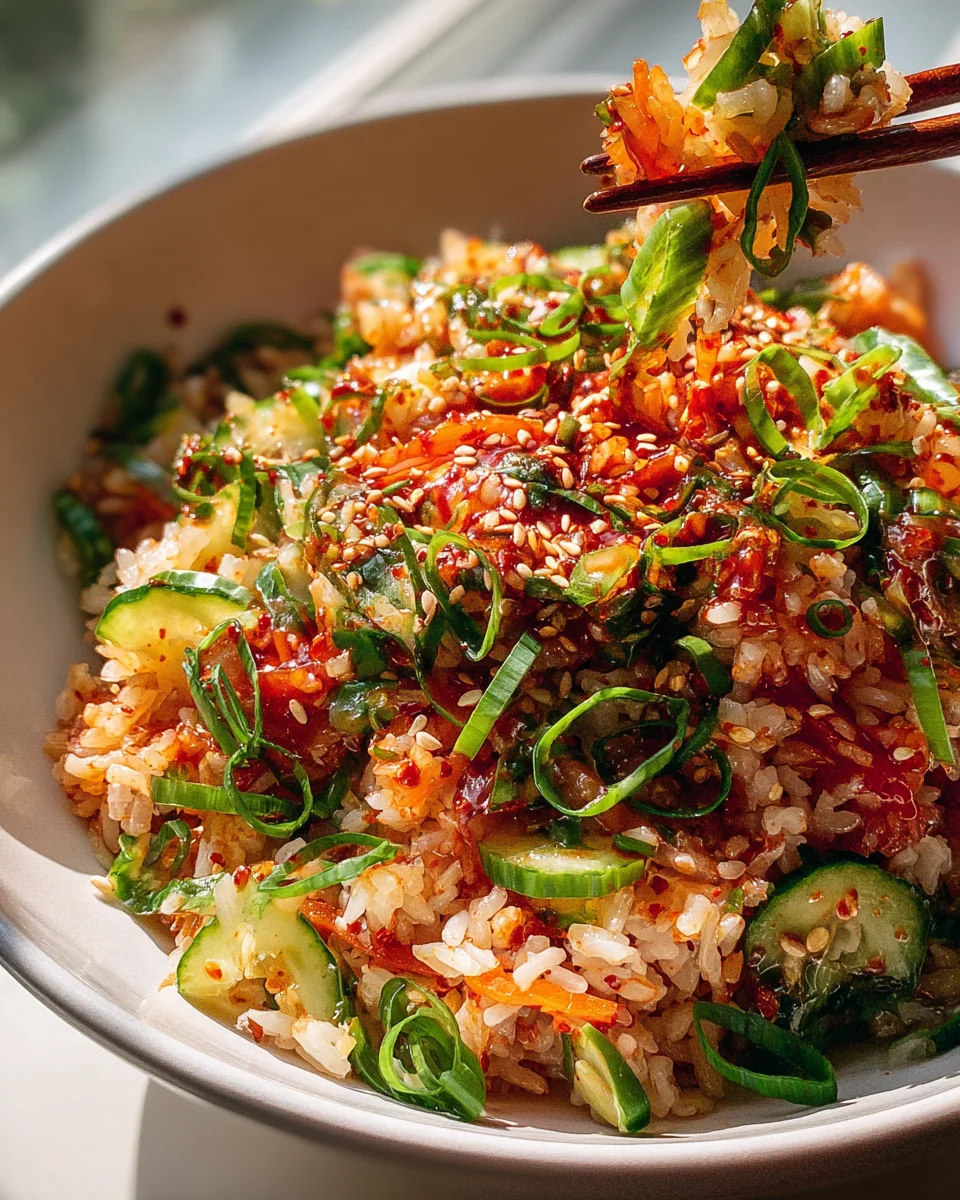
What makes this particular recipe so incredibly special, and why I am confident you are going to fall head over heels for it, is the ingenious play between the ultimate comfort of rice and the invigorating freshness of a salad. Imagine perfectly cooked rice, given a magical transformation into irresistible golden, crispy bits. Yes, crispy rice! This glorious crunch provides such an amazing, unexpected contrast to the vibrant, fresh vegetables we’ll be folding in, making every mouthful an exciting discovery.
But the magic doesn’t stop there. We then toss everything in a homemade gochujang dressing that is simply divine. It’s a luscious blend of savory, tangy, and subtly spicy notes from the iconic Korean chili paste, providing a deep umami warmth that perfectly balances the crispness and coolness of the other ingredients. We’re talking about a flavor profile that’s bold and exciting, without being overwhelmingly hot, ensuring you can truly savor all the layers.
This salad is wonderfully versatile and incredibly satisfying. It’s hearty enough to be a fantastic main meal, yet refreshingly light enough for a vibrant lunch. Picture it: those delightful crispy rice nuggets mingling with a colorful medley of fresh greens and crunchy vegetables, perhaps some tender, savory beef for an extra protein punch, all coated in that irresistible non-alcohol alternative gochujang sauce. It’s a brilliant fusion of textures and tastes, easy to prepare, and promises a delightful culinary journey. Get ready to cook up something truly extraordinary and savor every single bite!

Ingredient Notes
Crafting my Delightful Crispy Gochujang Rice Salad is all about balancing textures and a symphony of flavors. Here are the key ingredients I swear by and a few smart substitutions to make it your own.
- Day-Old Cooked Rice: This is the absolute star for achieving that incredible crispiness. Freshly cooked rice has too much moisture and tends to steam rather than crisp. I always use a medium-grain white rice like Calrose or jasmine for its perfect balance of starchiness and fluffiness. If you don’t have day-old, cook rice and spread it on a baking sheet to cool and dry for a few hours in the fridge before use.
- Gochujang (Korean Chili Paste): My secret weapon! This fermented chili paste brings a complex sweet, savory, and spicy depth to the dressing. Don’t skip it! Brands vary in spiciness and sweetness, so feel free to adjust the amount to your palate.
- Beef: For a hearty addition, I love using thinly sliced beef, such as sirloin or flank steak. You can marinate it briefly with a little soy sauce, sesame oil, minced garlic, and a touch of brown sugar for extra flavor. Alternatively, seasoned ground beef crumbles work wonderfully for a quicker preparation. For substitutions, thinly sliced chicken breast or thighs, pan-fried firm tofu, or even hearty sautéed mushrooms would be delicious.
- Fresh Vegetables: This is where the “salad” truly shines! I typically use crisp cucumber (Persian or English are great), shredded carrots, vibrant red bell pepper, and plenty of thinly sliced scallions for their mild oniony bite. Crisp lettuce leaves (like romaine, butter lettuce, or mixed greens) are essential for wrapping or tossing. Feel free to add radish for a peppery crunch, or edamame for extra protein and color.
- Gochujang Dressing Components: Beyond the gochujang itself, I build my dressing with a few essentials:
- Soy Sauce: For umami and saltiness. Use tamari for a gluten-free option.
- Rice Vinegar: Adds that essential tangy brightness.
- Toasted Sesame Oil: For its distinctive nutty aroma and flavor. A little goes a long way!
- Sweetener: A touch of honey or maple syrup balances the gochujang’s spice and tang beautifully.
- Garlic & Ginger: Freshly minced for an aromatic punch.
- Non-Alcoholic Alternative: Sometimes recipes call for cooking wine. I achieve similar depth and a touch of sweetness by adding a splash of apple juice or vegetable broth to my dressing, ensuring a rich, complex flavor without any alcohol.
- Garnishes: Toasted sesame seeds for crunch and visual appeal are a must. Sometimes I add chopped roasted peanuts or cashews for an extra layer of texture. A fried egg, with its runny yolk, is also a fantastic addition that creates a creamy sauce when mixed in.
Step-by-Step Instructions
Here’s how I bring all those delightful ingredients together to create my Crispy Gochujang Rice Salad. Trust me, each step is worth it for the final burst of flavor and texture!
- Prepare Your Crispy Rice: This is the foundation of our salad! Heat 1-2 tablespoons of neutral oil (like canola or vegetable) in a large non-stick skillet over medium-high heat. Once shimmering, add your day-old cooked rice, spreading it out into an even layer. Resist the urge to stir it too much! Let it cook undisturbed for about 5-7 minutes, until the bottom is golden brown and crispy. Flip sections of the rice with a spatula and continue to cook for another 5-7 minutes until most of the rice is delightfully crunchy. Season lightly with a pinch of salt. Transfer the crispy rice to a large bowl and set aside.
- Cook the Beef: While the rice is crisping (or in a separate pan), prepare your beef. If using thinly sliced beef, pat it dry. In the same skillet (or a clean one), add a little more oil if needed and increase the heat to high. Add the beef in a single layer and sear quickly for 1-2 minutes per side until browned and cooked through. If you’ve marinated it, ensure any excess marinade is shaken off to prevent steaming. If using ground beef, break it up and cook until browned, then drain any excess fat. Season the beef with a pinch of salt and pepper. Add the cooked beef to the bowl with the crispy rice.
- Whisk Together the Gochujang Dressing: In a small bowl, combine your gochujang, soy sauce (or tamari), rice vinegar, toasted sesame oil, honey or maple syrup, minced garlic, minced fresh ginger, and your non-alcoholic alternative (apple juice or vegetable broth). Whisk vigorously until all ingredients are well combined and the dressing is smooth. Taste and adjust to your preference – a little more sweetness, tang, or spice if desired.
- Prepare Your Fresh Vegetables: While the beef and rice are cooking, wash and chop all your fresh vegetables. Thinly slice the cucumber, shred the carrots, julienne the red bell pepper, and thinly slice the scallions. Place these vibrant vegetables into the bowl with the crispy rice and cooked beef.
- Assemble and Toss the Salad: Pour the prepared gochujang dressing generously over the crispy rice, beef, and vegetables in the large bowl. Using tongs or your hands, gently toss everything together until all ingredients are evenly coated in the delicious dressing. Be careful not to break up the crispy rice too much, but ensure everything gets a good coating.
- Garnish and Serve: Divide the salad among individual serving plates or bowls. Garnish each serving with a sprinkle of toasted sesame seeds. If desired, you can top each salad with a freshly fried egg, allowing the warm, runny yolk to mingle with the dressing as you eat. Serve immediately and savor every delightful bite!
Tips & Suggestions
I’ve learned a few tricks over time that really elevate this Delightful Crispy Gochujang Rice Salad. Here are my go-to tips for making it shine every single time:
- The Secret to Seriously Crispy Rice: Don’t rush it! The key is using day-old, chilled rice because its lower moisture content allows it to crisp up beautifully. When pan-frying, ensure your skillet is hot and don’t overcrowd it. Cook the rice in batches if necessary to prevent steaming. Pressing the rice down gently with a spatula helps maximize contact with the hot pan, creating more crispy bits. If you prefer a hands-off approach, you can also bake chilled rice spread thin on a baking sheet at 400°F (200°C) for 15-20 minutes, flipping halfway, until golden and crunchy.
- Balance is Key with Gochujang: Gochujang can range from mildly spicy to quite fiery. Always taste your dressing before adding it to the salad. If it’s too spicy, a little extra honey or maple syrup and a splash more rice vinegar can mellow it out. If it feels like it’s missing something, a tiny pinch of salt or a touch more soy sauce might be the answer. I love to find that perfect harmony between sweet, savory, spicy, and tangy.
- Customize Your Crunch: Beyond the crispy rice, consider adding other crunchy elements. Toasted nuts like peanuts, cashews, or even almonds add a fantastic textural contrast. For an extra umami boost, sprinkle some toasted nori (seaweed) strips or crispy fried onions on top.
- Play with Your Protein: While beef is my preferred choice, feel free to experiment. Grilled shrimp, crispy pan-fried tofu, or even finely shredded rotisserie chicken can be wonderful. For a vegetarian version, extra edamame or chickpeas add bulk and protein.
- Veggies Galore: This salad is incredibly versatile when it comes to vegetables. Think beyond the usual! Blanched broccoli florets, thinly sliced bell peppers of different colors, snap peas, corn, or even a handful of fresh spinach or massaged kale can be tossed in. The more colorful, the better, for both nutrition and visual appeal.
- Serving Suggestions: I love serving this salad slightly warm, letting the crispy rice and beef retain some heat against the cool, fresh vegetables. It’s also fantastic at room temperature. For a fun, interactive meal, serve it with large lettuce cups, allowing everyone to scoop the salad into their own wraps. Don’t forget that fried egg – it adds a luxurious creaminess that is truly delightful!
Storage
To keep my Delightful Crispy Gochujang Rice Salad tasting its best, especially maintaining that coveted crispiness, proper storage is essential. Here’s how I recommend handling leftovers or preparing components in advance:
- Store Components Separately: This is my golden rule for any salad with crispy elements. Once the dressing coats the crispy rice, it will start to soften quickly. For optimal freshness and texture, I always store the crispy rice, the prepared beef, the fresh vegetables, and the gochujang dressing in separate airtight containers in the refrigerator.
- Crispy Rice Storage: The crispy rice is best enjoyed the day it’s made. However, if you have leftovers, store it in an airtight container at room temperature for up to 1 day to preserve some of its crunch. Refrigerating it will likely make it lose its crispness. If it does get soft, you can try to re-crisp it in a dry skillet over medium heat for a few minutes or in a toaster oven until warmed through and crunchy again.
- Cooked Beef Storage: The cooked beef can be stored in an airtight container in the refrigerator for up to 3-4 days. When ready to eat, you can gently reheat it in a skillet or microwave, or simply enjoy it cold in the salad.
- Fresh Vegetables Storage: Keep your chopped fresh vegetables (cucumber, carrots, bell pepper, scallions, lettuce) in separate airtight containers in the refrigerator. They will stay fresh for 3-4 days. Make sure they are completely dry before storing to prevent wilting.
- Gochujang Dressing Storage: The gochujang dressing is wonderful for meal prepping! Store it in a sealed jar or airtight container in the refrigerator for up to 1 week. Give it a good whisk or shake before using, as some ingredients might separate.
- Assembling Leftovers: When you’re ready to enjoy the salad again, simply combine the desired amounts of re-crisped rice (if needed), cooked beef, fresh vegetables, and dressing. Toss just before serving to ensure everything is fresh and retains its texture.
- Best Enjoyed Fresh: While the components can be stored, I truly believe this Delightful Crispy Gochujang Rice Salad is at its peak when assembled and served fresh. The contrast between the warm, crispy rice, the savory beef, and the cool, crisp vegetables all coated in that vibrant gochujang dressing is an experience you won’t want to miss!
Final Thoughts
So there you have it! We’ve journeyed through the creation of what I truly believe is a show-stopping dish. The marriage of textures, from the delightful crispiness of the rice to the fresh crunch of the vibrant vegetables, is simply irresistible. And that gochujang dressing? It brings a bold, spicy, and savory kick that truly elevates every single bite.
I am so confident that the Delightful Crispy Gochujang Rice Salad Recipe To Savor will become a cherished favorite in your kitchen. It’s more than just a salad; it’s an experience – bright, exciting, and incredibly satisfying. Don’t just take my word for it; give this recipe a try and prepare to savor every mouthful!
Delightful Crispy Gochujang Rice Salad: Spicy & Flavorful Recipe!
This Delightful Crispy Gochujang Rice Salad is a vibrant fusion of crispy rice, fresh vegetables, and a bold gochujang dressing. It’s an exciting dish that balances textures and flavors, perfect for any meal.
- Prep Time: 15 mins
- Cook Time: 30 mins
- Total Time: 45 minutes
- Yield: 4 servings
- Category: Lunch/Dinner
- Method: Stovetop
- Cuisine: Korean
Ingredients
- Day-Old Cooked Rice
- Gochujang (Korean Chili Paste)
- Beef (thinly sliced sirloin or flank steak, or ground beef)
- Crisp cucumber (Persian or English)
- Shredded carrots
- Red bell pepper (julienned)
- Thinly sliced scallions
- Crisp lettuce leaves (romaine, butter lettuce, or mixed greens)
- Radish (optional)
- Edamame (optional)
- Soy Sauce (or tamari for gluten-free)
- Rice Vinegar
- Toasted Sesame Oil
- Honey or Maple Syrup (as sweetener)
- Garlic (freshly minced)
- Ginger (freshly minced)
- Apple Juice or Vegetable Broth (non-alcoholic alternative)
- Toasted sesame seeds (for garnish)
- Chopped roasted peanuts or cashews (optional for garnish)
- Fried egg (optional for garnish)
Instructions
- Prepare Your Crispy Rice: Heat 1-2 tablespoons of neutral oil in a large non-stick skillet over medium-high heat. Add your day-old cooked rice, spreading it out into an even layer. Let it cook undisturbed for about 5-7 minutes until the bottom is golden brown and crispy. Flip sections of the rice with a spatula and continue to cook for another 5-7 minutes until most of the rice is crunchy. Season lightly with a pinch of salt. Transfer the crispy rice to a large bowl and set aside.
- Cook the Beef: In the same skillet (or a clean one), add a little more oil if needed and increase the heat to high. Add the beef in a single layer and sear quickly for 1-2 minutes per side until browned and cooked through. Season the beef with a pinch of salt and pepper. Add the cooked beef to the bowl with the crispy rice.
- Whisk Together the Gochujang Dressing: In a small bowl, combine your gochujang, soy sauce (or tamari), rice vinegar, toasted sesame oil, honey or maple syrup, minced garlic, minced fresh ginger, and your non-alcoholic alternative. Whisk vigorously until all ingredients are well combined and the dressing is smooth.
- Prepare Your Fresh Vegetables: Wash and chop all your fresh vegetables. Thinly slice the cucumber, shred the carrots, julienne the red bell pepper, and thinly slice the scallions. Place these vibrant vegetables into the bowl with the crispy rice and cooked beef.
- Assemble and Toss the Salad: Pour the prepared gochujang dressing generously over the crispy rice, beef, and vegetables in the large bowl. Using tongs or your hands, gently toss everything together until all ingredients are evenly coated in the dressing.
- Garnish and Serve: Divide the salad among individual serving plates or bowls. Garnish each serving with a sprinkle of toasted sesame seeds and optionally top with a freshly fried egg. Serve immediately.
Nutrition
- Serving Size: 1 bowl
- Calories: 450
- Sugar: 8 g
- Sodium: 700 mg
- Fat: 18 g
- Saturated Fat: 3 g
- Unsaturated Fat: 12 g
- Trans Fat: 0 g
- Carbohydrates: 55 g
- Fiber: 5 g
- Protein: 20 g
- Cholesterol: 50 mg
Keywords: For optimal freshness, store components separately. Use day-old rice for best crispiness. Adjust gochujang to taste for spice level. Customize with additional crunchy elements like nuts or different vegetables.


Leave a Comment