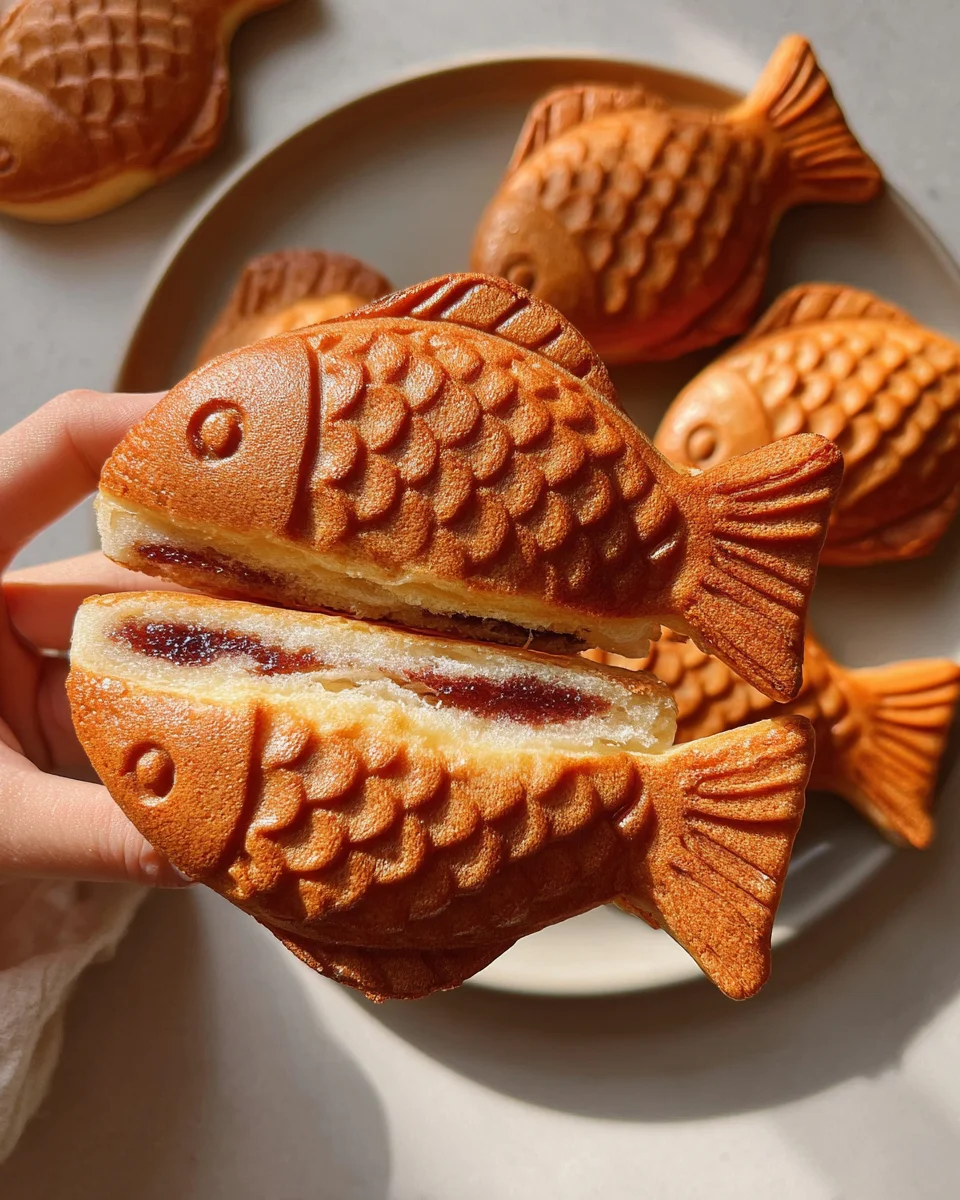
Taiyaki, that delightful fish-shaped cake, is more than just a sweet treat; it’s a heartwarming culinary experience that brings smiles to faces across Japan and increasingly, the world. Imagine biting into a perfectly golden, crispy shell to reveal a warm, soft, and wonderfully sweet filling – it’s an irresistible combination that perfectly captures the essence of Japanese street food comfort. Originating in Tokyo during the Meiji era, this charming pastry quickly became a beloved snack, evolving from a simple round cake into its iconic sea bream (たい, tai) shape, which is a symbol of good luck and prosperity in Japanese culture.
Why We All Love Taiyaki So Much
There’s a profound reason why Taiyaki has stood the test of time and captured so many hearts. People adore this charming pastry not only for its unique and adorable appearance but also for the comforting contrast of its textures and the rich, sweet flavors of its traditional red bean (azuki) paste filling. Modern variations with custard, chocolate, or even savory options have only broadened its appeal. It’s the perfect portable snack, a delightful dessert after a meal, and a wonderful way to connect with Japanese culinary traditions through taste. Today, I’m thrilled to share with you how to recreate this beloved classic right in your own kitchen.

Ingredients:
Crafting delicious homemade Taiyaki is a delightful experience, and it all begins with having the right ingredients and tools at hand. Here’s everything you’ll need to make these charming fish-shaped cakes:
For the Taiyaki Batter:
- 1 ½ cups (180g) All-Purpose Flour: I find that all-purpose flour provides the perfect structure and tenderness for Taiyaki.
- ½ cup (100g) Granulated Sugar: This adds just the right amount of sweetness to the batter, balancing beautifully with the fillings.
- 2 teaspoons Baking Powder: Essential for giving our Taiyaki that lovely fluffy, cake-like texture. Don’t skip this for truly airy results!
- ¼ teaspoon Salt: A tiny pinch of salt enhances all the other flavors in the batter, making it more vibrant.
- 1 large Egg: Acts as a binder and contributes to the richness and golden color of the Taiyaki.
- 1 ½ cups (360ml) Whole Milk: Whole milk gives the batter a wonderful creaminess and richness, but you can use lower-fat milk if preferred, though the texture might be slightly different.
- 2 tablespoons Vegetable Oil (or other neutral oil): This helps keep our Taiyaki moist and prevents it from sticking to the pan.
- 1 teaspoon Vanilla Extract: A touch of vanilla adds a warm, inviting aroma and flavor that complements almost any filling.
For the Classic Fillings:
- 1 ½ cups (about 400g) Anko (Sweet Red Bean Paste): This is the most traditional and beloved Taiyaki filling. I usually buy a good quality store-bought paste to save time, but you can certainly make it from scratch if you’re feeling ambitious!
- For Homemade Custard Cream (Crème Pâtissière):
- 2 large Egg Yolks: These are the backbone of a rich, creamy custard.
- ¼ cup (50g) Granulated Sugar: For sweetness.
- 2 tablespoons Cornstarch: This is my secret to a thick, stable custard.
- 1 cup (240ml) Whole Milk: Provides the liquid base for the custard.
- ½ teaspoon Vanilla Extract: For that classic, comforting vanilla flavor.
- 1 tablespoon Unsalted Butter: Added at the end for extra richness and a silky texture.
- Other Popular Fillings (Optional, for variety):
- Chocolate Chips or Hazelnut Spread: About ½ cup (100g) for a sweet, gooey center.
- Cream Cheese: A block of cream cheese, possibly mixed with a little sugar, for a savory-sweet Taiyaki.
Equipment You’ll Need:
- Taiyaki Maker/Pan: This is, of course, absolutely essential! There are stovetop versions and electric ones. I personally love my stovetop cast iron pan for the authentic crispy crust it creates.
- Large Mixing Bowl: For whisking up the batter.
- Whisk: To ensure a smooth, lump-free batter and custard.
- Small Saucepan: For making the custard cream.
- Fine-Mesh Sieve: For sifting flour and straining custard, if necessary, for ultimate smoothness.
- Ladle or Measuring Cup: For pouring the batter neatly into the Taiyaki pan.
- Small Spoon or Butter Knife: For spreading and placing fillings.
- Pastry Brush (Optional): For greasing the Taiyaki pan evenly.
- Wire Rack: For cooling the cooked Taiyaki to prevent sogginess.
- Plates or Serving Platter: For presenting your beautiful Taiyaki creations!
Having everything measured out and ready before you start cooking (this is called “mise en place” by chefs!) will make the Taiyaki-making process much smoother and more enjoyable. Trust me, it makes a huge difference, especially when you’re managing a hot pan!
Instructions for Making Taiyaki:
Preparing the Delicious Taiyaki Batter:
- Sift Dry Ingredients: In your large mixing bowl, I recommend sifting together the all-purpose flour, granulated sugar, baking powder, and salt. Sifting is a small but mighty step here; it helps to aerate the flour and ensures a really smooth, lump-free batter, which is key for a delicate Taiyaki.
- Whisk Wet Ingredients: In a separate medium bowl, or directly into the dry ingredients if your bowl is large enough, whisk together the large egg, whole milk, vegetable oil, and vanilla extract until they are well combined. You want a consistent, pale yellow liquid mixture.
- Combine Wet and Dry: Pour the wet ingredients into the dry ingredients. I like to make a well in the center of the dry ingredients before pouring the liquid in. Using your whisk, gently mix everything together.
- Mix Until Just Combined: Mix until the batter is just smooth. A few small lumps are perfectly fine – in fact, overmixing can develop the gluten in the flour, leading to tough Taiyaki, and we definitely don’t want that! The batter should have the consistency of a slightly thick pancake batter, easily pourable but not watery.
- Rest the Batter: This is a crucial step often overlooked! Cover the bowl with plastic wrap and let the batter rest in the refrigerator for at least 30 minutes, or even up to an hour. Resting allows the gluten to relax and the baking powder to activate properly, resulting in a more tender and fluffy Taiyaki. It also gives the flavors time to meld.
Preparing Your Irresistible Taiyaki Fillings:
While your batter is resting, this is the perfect time to prepare your fillings. For Taiyaki, having them ready and easily accessible will make the assembly process much smoother.
Anko (Sweet Red Bean Paste):
If you’re using store-bought Anko, as I often do, simply scoop it into a bowl and break up any large clumps with a spoon. You want it to be spreadable. If it’s too thick, you can warm it gently in the microwave for 10-15 seconds to make it a bit more pliable. Ensure it’s at room temperature or slightly warm, not hot, when adding to the Taiyaki.
Homemade Vanilla Custard Cream:
Making your own custard is incredibly rewarding and adds a gourmet touch to your Taiyaki:
- Whisk Yolks and Sugar: In a small saucepan, whisk together the egg yolks and granulated sugar until the mixture is pale yellow and creamy.
- Add Cornstarch: Whisk in the cornstarch until fully incorporated and no lumps remain. This is your thickening agent!
- Heat Milk: In a separate small saucepan or microwave-safe mug, gently heat the whole milk until it’s steaming but not boiling.
- Temper the Eggs: Gradually pour about half of the hot milk into the egg yolk mixture while continuously whisking. This process, called tempering, prevents the eggs from scrambling.
- Combine and Cook: Pour the tempered egg mixture back into the saucepan with the remaining hot milk. Place the saucepan over medium-low heat and cook, whisking constantly, until the custard thickens significantly and coats the back of a spoon (about 5-7 minutes). It should be thick enough to hold its shape.
- Add Vanilla and Butter: Remove the custard from the heat. Stir in the vanilla extract and unsalted butter until the butter has melted and is fully incorporated, making the custard wonderfully smooth and glossy.
- Chill: Transfer the custard to a clean bowl. Press plastic wrap directly onto the surface of the custard to prevent a skin from forming. Refrigerate for at least 1 hour, or until completely chilled and firm. This firm texture is ideal for spooning into your Taiyaki molds.
Other Fillings:
For chocolate chips, have them in a small bowl. For hazelnut spread or cream cheese, ensure they are at room temperature so they are easily spreadable or scoopable. I sometimes add a touch of sugar to cream cheese for a sweeter Taiyaki.
Preheating and Greasing Your Taiyaki Pan:
This step is crucial for achieving that beautiful golden-brown crust and preventing sticking.
- Heat the Pan: Place your Taiyaki maker (if stovetop) over medium-low heat. If you have an electric maker, turn it on and let it preheat according to the manufacturer’s instructions. You want it hot enough to sizzle a drop of water, but not smoking.
- Grease Lightly: Using a pastry brush or a piece of paper towel dipped in a little vegetable oil, lightly grease the inside of both halves of your Taiyaki pan. You don’t need a lot, just enough to create a thin, even coating. This initial greasing is often sufficient for several batches, but I re-grease if I notice any sticking.
Cooking the Perfect Taiyaki:
Now for the fun part – cooking your fish-shaped treats!
- First Batter Layer: Open the Taiyaki pan. Using a ladle or measuring cup, pour a small amount of batter into each fish mold on one side, just enough to cover the bottom surface and extend slightly up the sides. You don’t want to fill it completely yet. The batter should sizzle gently as it hits the hot pan.
- Add the Filling: Immediately, while the batter is still wet (this helps the layers adhere), place a generous spoonful of your chosen filling into the center of each batter-filled mold. Don’t overfill, as it might ooze out, but ensure you have a good amount for a satisfying bite. For Anko or custard, form it into an oval shape that fits the fish body.
- Second Batter Layer: Quickly pour a second, smaller amount of batter over the filling and around the edges of the mold. The goal is to completely cover the filling and connect with the batter already in the mold, allowing the two halves of the fish to meet perfectly when you close the pan.
- Close the Pan: Gently and securely close the Taiyaki pan. If using a stovetop pan, you’ll need to clip it shut.
- Cook on First Side: Cook the Taiyaki on one side for about 2-3 minutes. You might see a little steam escaping.
- Flip and Cook Second Side: Carefully flip the Taiyaki pan over to cook the other side. Continue cooking for another 2-3 minutes. The exact cooking time will vary depending on your pan and heat setting.
- Rotate for Even Browning: For stovetop pans, I often rotate the pan every minute or so, ensuring all parts of the fish (head, tail, and body) get direct heat and even browning. You can peek occasionally to check the color.
- Check for Doneness: The Taiyaki is ready when both sides are beautifully golden brown and the edges are crisp. Sometimes a little batter or filling might ooze out, which can be trimmed later.
Finishing and Serving Your Taiyaki:
- Remove from Pan: Once cooked, open the Taiyaki pan. Use a small spatula or chopsticks to gently lift the hot Taiyaki out of the molds. Be careful, they’re hot!
- Trim Excess (Optional): If there’s any excess crispy batter around the edges, you can carefully trim it off with kitchen shears or a small knife for a cleaner look.
- Cool Slightly: Transfer the freshly cooked Taiyaki to a wire rack to cool for a few minutes. This prevents the bottom from becoming soggy from trapped steam.
- Serve Warm: Taiyaki is absolutely best served warm, either immediately after cooking or gently reheated. The slightly crispy exterior and warm, soft interior with the gooey filling are a match made in heaven.
My Top Tips for Perfect Taiyaki Every Time:
Over the years of making Taiyaki, I’ve picked up a few tricks that I love to share:
-
Don’t Overfill the Molds:
It’s tempting to cram in as much filling as possible, but too much will cause it to burst out of the sides, making a messy Taiyaki and a sticky pan. A good rule of thumb is to leave a small border around the filling for the top batter layer to seal.
-
Keep the Batter Fresh:
If you’re making multiple batches, keep the batter chilled in the refrigerator between uses. This helps maintain its consistency and ensures your Taiyaki remains light and fluffy. A well-rested batter truly makes a difference in texture.
-
Heat Management is Key:
The ideal temperature for your Taiyaki pan is crucial. If it’s too hot, the Taiyaki will burn on the outside before cooking through. If it’s too cool, it will take ages to brown and might become dry. Medium-low heat is usually perfect for stovetop pans, allowing for a gradual cook and even browning. Don’t be afraid to adjust the heat as you go.
-
Experiment with Fillings:
While Anko and custard are traditional, don’t limit yourself! I’ve made delicious Taiyaki with peanut butter, thinly sliced apples with cinnamon, cream cheese and jam, or even savory options like pizza sauce and mozzarella (a personal favorite for a quick snack!). Let your imagination run wild.
-
Storage and Reheating:
Leftover Taiyaki can be stored in an airtight container at room temperature for up to a day, or in the refrigerator for 2-3 days. To reheat, I highly recommend using a toaster oven or even a dry pan on the stovetop over low heat until warmed through and the exterior is crispy again. The microwave can make them a bit soft, so I try to avoid it.
-
Patience is a Virtue:
Making Taiyaki is a process that benefits from a little patience, especially when you’re first getting the hang of your pan. Don’t rush the cooking time; let them brown properly for the best texture and flavor. The first few might not be perfect, but you’ll quickly get the feel for it!
-
Clean Your Pan Promptly:
After you’re done cooking, let your Taiyaki pan cool slightly, then wipe it clean with a damp cloth. If you have a non-stick pan, avoid harsh abrasives. For cast iron, follow its specific seasoning and cleaning instructions to maintain its integrity.
-
Perfecting the Pour:
Practice makes perfect when it comes to pouring the batter. I find that a ladle with a spout, or even a squeeze bottle, can give you more control, especially for the second layer of batter over the filling. You want an even, thin layer that coats the filling without overflowing.
-
Watch for Steam:
When cooking, one indicator that your Taiyaki is progressing well is the steam that escapes from the sides of the pan. Once the steam starts to diminish, it’s often a sign that the Taiyaki is nearly cooked through and the moisture inside has mostly evaporated, leaving a beautifully cooked interior.
-
Share the Joy:
Taiyaki is not just a delicious treat; it’s also incredibly fun to make and share. Bring your freshly made Taiyaki to a gathering, or enjoy them with family and friends for a special homemade dessert. The warmth and novelty of these fish-shaped cakes are always a hit!
I hope these detailed instructions and tips help you create the most delightful Taiyaki right in your own kitchen!
Conclusion:
I truly hope you’ve enjoyed following along with this journey to create something truly special in your own kitchen. After all the measuring, mixing, and the delightful anticipation as that golden-brown crust forms, what you’ve created isn’t just a snack; it’s a piece of culinary artistry, a warm hug, and a delightful escape. This particular recipe, my friends, is an absolute must-try for so many reasons. First and foremost, the sheer joy of biting into a freshly made Taiyaki, warm and comforting, with a perfectly crispy exterior giving way to a soft, fluffy interior and a luscious, sweet filling, is an experience unparalleled by store-bought alternatives. It’s a sensory delight, from the inviting aroma that fills your home to the beautiful, intricate fish shape that is instantly recognizable and charming. There’s a wonderful satisfaction in crafting something with your own hands, especially when the result is as irresistibly delicious and visually appealing as this homemade treat. It’s a fantastic conversation starter, a delightful afternoon indulgence, and an impressive skill to add to your baking repertoire. Seriously, if you’ve been looking for a project that delivers immense satisfaction and incredible flavor, look no further. This isn’t just baking; it’s an adventure in deliciousness, a chance to impress your loved ones, or simply treat yourself to something truly extraordinary. It elevates the simple act of eating into a delightful experience, making ordinary moments feel wonderfully special. The unique texture contrast and the delightful filling make Taiyaki an enduring classic for a reason, and you’re about to discover why.
But the magic doesn’t stop once your delightful creation is cooled enough to handle. Oh no, that’s just the beginning! While the classic red bean paste (anko) filling is undeniably delicious and traditional, the beauty of making your own means you have complete creative freedom to tailor it to your exact preferences. I encourage you to experiment fearlessly with different flavors and textures to truly make this recipe your own.
Sweet Indulgences and Savory Surprises for Your Taiyaki
For those with an insatiable sweet tooth, consider filling your next batch with creamy custard, which becomes wonderfully rich when warm. Melted chocolate chips are another fantastic option, transforming into a gooey, irresistible center. Nutella offers a hazelnut-chocolate dream, or you could even try a dollop of sweetened cream cheese combined with a few fresh berries for a delightful cheesecake-like twist. Imagine a delicate apple cinnamon filling, perfect for autumn evenings, or a vibrant strawberry jam that captures the essence of spring. For an extra special treat, serve your warm creations with a scoop of vanilla ice cream on the side, a drizzle of maple syrup, or a light dusting of powdered sugar. A sprinkle of matcha powder can also add a sophisticated touch and a hint of delightful bitterness to balance the sweetness of the filling.
But why stop at sweet? One of my favorite adventurous variations is to venture into savory territory! Think about a cheesy filling – perhaps a blend of mozzarella and a hint of pesto for an Italian flair, or a comforting combination of sharp cheddar and finely diced ham for a more hearty option. You could even try a mild curry filling, inspired by popular Japanese curry bread, or a simple mixture of cooked ground meat seasoned with a touch of soy sauce and ginger for a truly unique experience. These savory options make for a fantastic quick lunch, a creative appetizer for guests, or a delightful brunch item that will surprise and impress anyone who tries them. Serve your freshly made masterpieces warm, straight from the pan, for the ultimate experience. They are perfect accompanied by a steaming cup of green tea, a robust coffee, or a refreshing glass of cold milk. They also travel surprisingly well, making them an excellent snack to pack for picnics or lunchboxes, though they are always best enjoyed shortly after making them to preserve that incredible crispy exterior and soft interior. Don’t be afraid to think outside the box; the possibilities for customizing your Taiyaki are as endless as your imagination, allowing you to tailor this wonderful treat to any craving, season, or occasion.
Now, the most important part: don’t just read about it, make it! Seriously, I can’t emphasize enough how rewarding it is to bring this recipe to life in your own kitchen. The process itself is wonderfully enjoyable, and the outcome is incredibly delicious and satisfying. You’ll not only gain a fantastic new recipe to add to your collection but also the immense satisfaction and confidence that comes with creating something truly special with your own hands.
So, gather your ingredients, fire up your waffle iron or specialized pan, and embark on this delightful baking adventure. I promise you won’t regret it for a moment. Once you’ve made your first batch of these charming treats, and perhaps even experimented with a few different fillings, I would absolutely love to hear all about your experience! What fillings did you choose? Did you stick to the classics, or did you go wonderfully adventurous? Did you share them with loved ones, or perhaps keep them all to yourself (and frankly, who could blame you!)?
Share Your Delicious Taiyaki Creations!
Please, don’t be shy! Share your photos, your triumphs, and even your funny mishaps (they happen to the best of us and are often the best stories!) in the comments below. Let’s build a vibrant community of enthusiastic home bakers who are passionate about creating delicious things and sharing their culinary journeys. Your insights and creative variations might just inspire someone else to try a new combination or give them the courage to start their own baking adventure. Remember, every bite of homemade Taiyaki is a testament to your effort and creativity, and that’s something truly wonderful to celebrate. Happy baking, everyone!
Homemade Taiyaki: Easy Recipe for Delicious Japanese Snack
Taiyaki, that delightful fish-shaped cake, is more than just a sweet treat; it’s a heartwarming culinary experience that brings smiles to faces across Japan and increasingly, the world. Imagine biting into a perfectly golden, crispy shell to reveal a warm, soft, and wonderfully sweet filling – it’s an irresistible combination that perfectly captures the essence of Japanese street food comfort.
Ingredients
Instructions
Important Information
Nutrition Facts (Per Serving)
It is important to consider this information as approximate and not to use it as definitive health advice.
Allergy Information
Please check ingredients for potential allergens and consult a health professional if in doubt.


Leave a Comment