Korean Beef Noodles An Incredible Ultimate Recipe
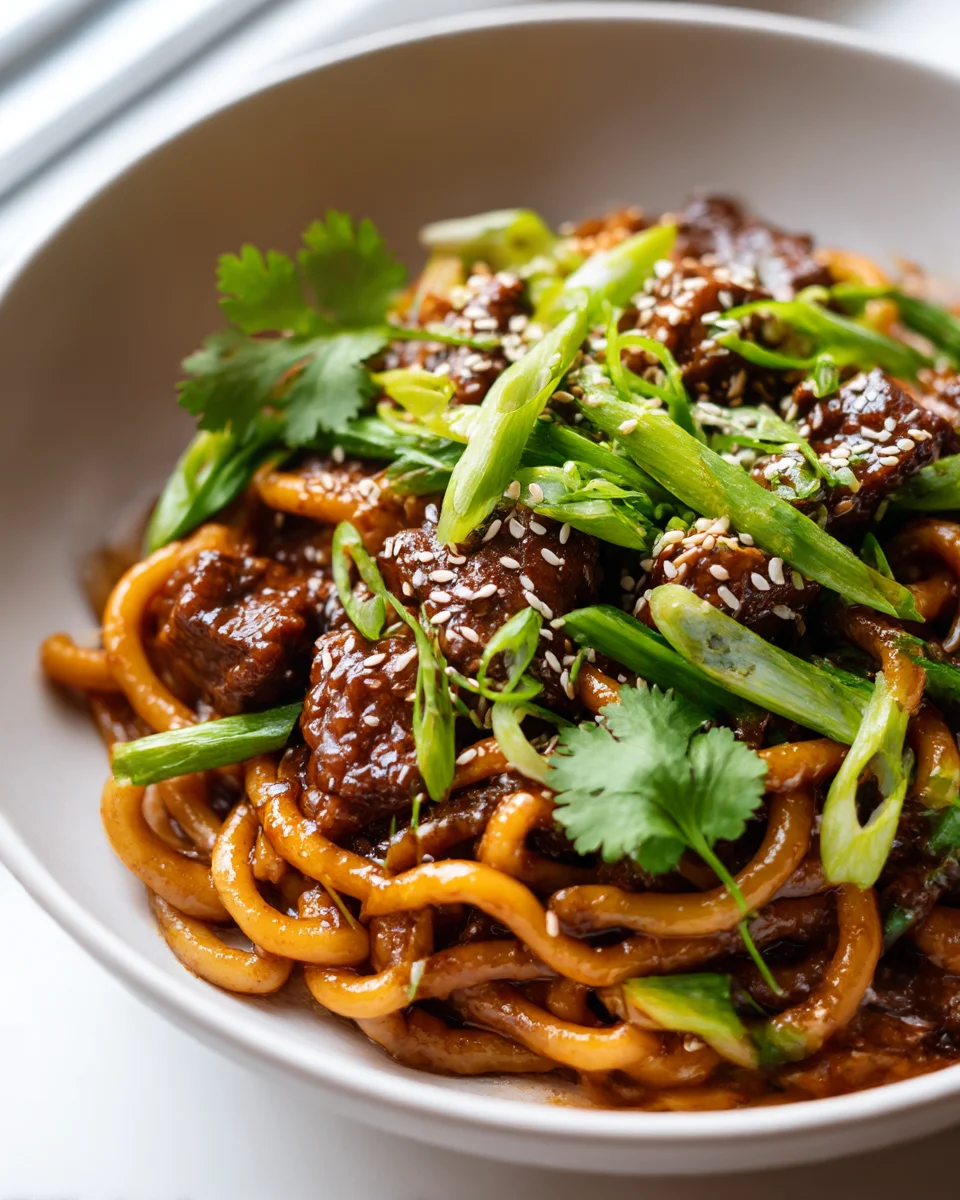
Oh my goodness, get ready to experience a dish that’s about to become a permanent fixture in your dinner rotation! When I say “incredible ultimate recipe,” I truly mean it. This isn’t just any noodle dish; it’s a meticulously crafted culinary journey that brings the vibrant, comforting flavors of Korean cuisine right into your kitchen. I’ve poured my heart into perfecting this ‘Korean Beef Noodles An Incredible Ultimate Recipe’, ensuring every bite is a symphony of textures and tastes that you’ll absolutely adore.
So, what makes this recipe so special, and why do I think you’re going to fall head over heels for it? Well, for starters, we’re talking about incredibly tender, thinly sliced beef, marinated to perfection in a savory, slightly sweet, and unbelievably umami-rich sauce. This isn’t just a quick toss; it’s a careful blend of traditional Korean flavors that coats every strand of the chewy noodles and perfectly complements the crisp, fresh vegetables we’re adding. It’s a complete meal in one bowl – hearty, satisfying, and bursting with fresh flavors that are genuinely hard to resist. You’ll love how straightforward it is to achieve such a complex and impressive flavor profile, making it ideal for a weeknight treat or a show-stopping dish for guests.
In a nutshell, this ‘Korean Beef Noodles An Incredible Ultimate Recipe’ is a glorious stir-fry featuring succulent beef, delightfully chewy noodles, and a colorful medley of vegetables, all brought together by that irresistible, robust Korean-inspired sauce. It’s savory, a little sweet, incredibly flavorful, and utterly comforting. Trust me, once you try this ultimate version, you’ll understand exactly why I call it incredible. Let’s get cooking!

Ingredient Notes
Crafting these incredible Korean Beef Noodles starts with understanding the stars of the show. Each ingredient plays a crucial role in building the layers of savory, sweet, and umami flavors that make this dish truly ultimate. I’ve carefully selected components to ensure a harmonious and deeply satisfying experience, and I’ll share some fantastic substitutions to keep things flexible!
The Beef
- For the Ultimate Flavor and Tenderness: I strongly recommend using thinly sliced beef cuts like sirloin, ribeye, or flank steak. These cuts cook quickly and absorb the marinade beautifully. When shopping, ask your butcher to thinly slice it for you, or partially freeze the beef at home for about 30-45 minutes before slicing it against the grain into bite-sized pieces yourself. This makes it easier to get those perfect thin strips.
- Substitutions: If you can’t find these specific cuts, thinly sliced chuck eye or even top round can work. Just be sure to slice them extra thin to ensure tenderness.
The Noodles
- Authentic Korean Noodle Experience: For this ultimate recipe, I love using Korean sweet potato starch noodles, also known as dangmyeon. These translucent, chewy noodles are what you’ll find in traditional Japchae and are fantastic for absorbing the rich sauce without getting mushy. They provide that delightful bounce and unique texture that sets this dish apart.
- Substitutions: If dangmyeon isn’t readily available, fresh Korean wheat noodles (like kalguksu noodles) are an excellent alternative, offering a heartier bite. Good quality fresh ramen noodles (discarding the seasoning packet, of course!) can also be used in a pinch for a quicker preparation, but adjust cooking times accordingly.
The Marinade and Sauce Staples
- Soy Sauce: I always go for a good quality Korean soy sauce for its balanced saltiness and depth of flavor.
- Sesame Oil: Toasted sesame oil is non-negotiable! Its nutty aroma is absolutely essential for that authentic Korean taste. Use it both in the marinade and as a finishing touch.
- Garlic and Ginger: Freshly minced garlic and grated ginger are the aromatic backbone of this Korean Beef Noodles dish. Don’t skimp on these!
- Sweetener: Brown sugar is my go-to for its caramel notes, complementing the savory elements perfectly.
- Flavor Enhancer (Non-Alcoholic): A touch of pear juice or apple juice adds a subtle sweetness and helps tenderize the beef, serving as a wonderful non-alcoholic alternative to cooking wine or mirin. A pinch of extra sugar and water can also work.
- Black Pepper: Freshly ground black pepper adds a subtle warmth and aroma.
- Gochujang (Korean Chili Paste): This adds a beautiful depth of flavor and a gentle kick. I consider it essential for the “ultimate” experience, but you can adjust the amount based on your spice preference, or even omit it if you prefer no heat at all.
- Gochugaru (Korean Chili Flakes): For a more pronounced spiciness and vibrant color, a sprinkle of gochugaru can be added to the finishing sauce.
Fresh Vegetables
- Color and Crunch: A medley of vibrant vegetables not only makes these Korean Beef Noodles visually appealing but also adds essential textures and nutrients. My favorites include julienned carrots, thinly sliced onion, bell peppers (any color works!), and sliced mushrooms (shiitake or cremini are excellent).
- Greens: Fresh spinach wilts beautifully into the dish, adding a lovely freshness.
- Garnish: Sliced scallions are perfect for that final touch of freshness and mild oniony bite.
- Substitutions: Feel free to customize with what you have on hand. Zucchini, snap peas, bok choy, or even broccoli florets would be delicious additions. Just make sure to slice them thinly so they cook quickly and evenly.
Step-by-Step Instructions
Let’s get cooking! Follow these clear steps to create your truly incredible Korean Beef Noodles. My goal is to guide you through a smooth and enjoyable cooking process, ensuring every bite is packed with amazing flavor.
- Prepare and Marinate the Beef:
- Take your thinly sliced beef (sirloin, ribeye, or flank steak) and place it in a medium bowl.
- In a small bowl, whisk together the marinade ingredients: 3 tablespoons soy sauce, 1 tablespoon brown sugar, 1 tablespoon sesame oil, 2 cloves minced garlic, 1 teaspoon grated fresh ginger, 1 tablespoon pear or apple juice, and a pinch of black pepper.
- Pour the marinade over the beef, tossing to ensure all pieces are well coated. Cover the bowl and let the beef marinate at room temperature for at least 20-30 minutes, or in the refrigerator for up to 2 hours for deeper flavor.
- Prepare Your Noodles:
- Bring a large pot of water to a rolling boil.
- Add your dangmyeon (sweet potato starch noodles) or chosen noodle type and cook according to package directions until al dente. For dangmyeon, this usually takes about 6-8 minutes. For fresh wheat noodles, it might be quicker, around 3-5 minutes.
- Once cooked, drain the noodles thoroughly and immediately rinse them under cold water to prevent them from sticking together. This is a crucial step for dangmyeon. Lightly toss with a teaspoon of sesame oil to keep them separate. Set aside.
- Chop the Vegetables:
- While the beef marinates and noodles cook, prepare your vegetables. Thinly slice the onion, julienne the carrots, slice the bell peppers, and thinly slice the mushrooms. Wash and roughly chop the spinach. Slice the scallions for garnish. Having everything prepped makes the stir-frying process quick and efficient.
- Stir-Fry the Beef:
- Heat 1 tablespoon of cooking oil (like vegetable or canola oil) in a large wok or a wide, deep skillet over medium-high heat until shimmering.
- Add the marinated beef in a single layer (you might need to do this in batches if your pan isn’t large enough to avoid overcrowding). Stir-fry for 2-3 minutes until browned and cooked through. Remove the beef from the pan and set it aside, leaving any drippings in the pan.
- Sauté the Vegetables:
- Add another teaspoon of oil to the same pan if needed. Add the sliced onions, carrots, bell peppers, and mushrooms. Stir-fry for 3-5 minutes, until the vegetables are tender-crisp.
- Add the spinach and stir-fry for another minute until just wilted.
- Combine and Finish the Dish:
- Return the cooked beef to the pan with the vegetables.
- Add the cooked noodles to the pan.
- In a small bowl, whisk together the final sauce ingredients: 2 tablespoons soy sauce, 1 tablespoon brown sugar (or honey), 1 teaspoon gochujang (optional, for mild spice), 1 teaspoon sesame oil, and a pinch of gochugaru (optional, for extra heat).
- Pour the sauce over the noodles, beef, and vegetables. Toss everything together vigorously using tongs until the noodles and all ingredients are evenly coated with the sauce. Continue to cook for 1-2 minutes, allowing the sauce to heat through and coat everything beautifully.
- Taste and adjust seasoning if necessary. You might want a little more soy sauce, sugar, or a touch more sesame oil.
- Transfer the Korean Beef Noodles to serving bowls. Garnish generously with fresh sliced scallions and an extra drizzle of sesame oil, if desired. Serve immediately and enjoy the ultimate flavor!
Tips & Suggestions
To truly elevate your Korean Beef Noodles to that “ultimate” status, I’ve got a few personal tips and suggestions I always follow:
- Thin Slicing is Key: Don’t underestimate the power of thinly sliced beef. It cooks incredibly fast and absorbs the marinade far better, ensuring every bite is tender and flavorful. If you’re slicing it yourself, remember that partial freezing trick!
- Don’t Overcook Your Noodles: Al dente is your friend here. Overcooked noodles will become mushy and lose that delightful chewy texture crucial for this Korean Beef Noodles dish. Rinsing them under cold water immediately after draining stops the cooking process and prevents sticking.
- Mise en Place is Your Best Friend: This dish comes together quickly once you start stir-frying. Having all your ingredients prepped, chopped, and measured out beforehand (this is called “mise en place”) will make the cooking process smooth, stress-free, and ensure nothing burns while you’re scrambling for the next ingredient.
- Adjust Spice to Your Liking: The amount of gochujang and gochugaru in my recipe is a suggestion for a mild-to-medium heat. If you love spice, feel free to add a bit more. If you prefer no heat at all, simply omit them. The dish will still be incredibly flavorful!
- Customize Your Veggies: While I’ve suggested a fantastic combination, this Korean Beef Noodles recipe is very forgiving with vegetables. Use what’s in season or what you have on hand. Just ensure they’re sliced thinly to cook evenly and quickly.
- A Touch of Sweetness for Balance: The pear or apple juice in the marinade, and the brown sugar in both the marinade and final sauce, are essential. They balance the savory soy sauce and garlic, creating a harmonious flavor profile that is characteristic of incredible Korean cuisine.
- Serve Immediately: These Korean Beef Noodles are best enjoyed fresh off the stove. The noodles have the perfect texture and the vegetables retain their tender-crispness.
- Pair with Banchan: For a truly authentic Korean meal experience, serve your incredible Korean Beef Noodles alongside some classic Korean side dishes (banchan) like kimchi or pickled radishes.
Storage
While these incredible Korean Beef Noodles are undoubtedly at their best served fresh, I understand that sometimes you might have leftovers or want to meal prep. Here’s how to store and reheat them effectively:
- Refrigeration: Allow the Korean Beef Noodles to cool completely to room temperature. Transfer them to an airtight container and store in the refrigerator for up to 3 days.
- Freezing: I generally don’t recommend freezing this dish, especially if you’ve used dangmyeon. The noodles can become overly soft and lose their desirable chewy texture upon thawing and reheating. The vegetables can also become mushy.
- Reheating:
- Microwave: For a quick reheat, place a portion of the noodles in a microwave-safe dish. Add a tablespoon or two of water to help rehydrate and prevent drying out. Cover loosely and microwave on medium heat in 1-minute intervals, stirring in between, until heated through.
- Stovetop: My preferred method for reheating to best preserve texture is on the stovetop. Heat a large skillet or wok over medium heat. Add a tablespoon of water or a tiny drizzle of sesame oil to help revive the sauce and noodles. Add the leftover Korean Beef Noodles and stir-fry gently for 3-5 minutes, until thoroughly heated. This helps to re-crisp some of the vegetables and prevent the noodles from becoming too soft.
- Noodle Texture Note: Please be aware that like many noodle dishes, the noodles, especially dangmyeon, will soften slightly upon storage and reheating. They won’t have quite the same vibrant chewiness as when freshly made, but the flavors will still be delicious!
Final Thoughts
So, we’ve reached the end of our culinary journey with Korean Beef Noodles An Incredible Ultimate Recipe. I truly hope you’ve enjoyed the process as much as you’re about to enjoy the incredible flavors!
This isn’t just any noodle dish; it’s a symphony of savory beef, perfectly tender noodles, and a rich, aromatic sauce that truly elevates the experience. We’ve focused on creating a deep, satisfying beef flavor that permeates every bite, enhanced by thoughtful non-alcohol alternatives that contribute complexity without compromise.
I wholeheartedly believe that Korean Beef Noodles An Incredible Ultimate Recipe is a must-try for anyone seeking an exceptionally comforting and flavorful meal. It’s the kind of dish that warms your soul, impresses your family and friends, and leaves you utterly satisfied. Trust me, once you taste the incredible depth and balance of this recipe, you’ll understand why I call it the ultimate. Happy cooking, and even happier eating!
Incredible Korean Beef Noodles: Ultimate Flavor Recipe!
Experience a dish that’s a vibrant, comforting journey into Korean cuisine with tender beef, chewy noodles, and fresh vegetables. This ultimate recipe is a symphony of flavors that will become a staple in your dinner rotation.
- Prep Time: 30 mins
- Cook Time: 15 mins
- Total Time: 45 minutes
- Yield: 4 servings 1x
- Category: Dinner
- Method: Stir-frying
- Cuisine: Korean
Ingredients
- 1 lb thinly sliced beef (sirloin, ribeye, or flank steak)
- 3 tablespoons soy sauce
- 1 tablespoon brown sugar
- 1 tablespoon sesame oil
- 2 cloves minced garlic
- 1 teaspoon grated fresh ginger
- 1 tablespoon pear or apple juice
- a pinch of black pepper
- Korean sweet potato starch noodles (dangmyeon)
- 1 tablespoon cooking oil (vegetable or canola)
- 1 thinly sliced onion
- 2 julienned carrots
- 1 bell pepper (any color, sliced)
- 1 cup sliced mushrooms (shiitake or cremini)
- 2 cups fresh spinach
- sliced scallions (for garnish)
- 2 tablespoons soy sauce (for final sauce)
- 1 tablespoon brown sugar (or honey, for final sauce)
- 1 teaspoon gochujang (optional, for mild spice)
- 1 teaspoon sesame oil (for final sauce)
- a pinch of gochugaru (optional, for extra heat)
Instructions
- Prepare and Marinate the Beef: Take your thinly sliced beef and place it in a medium bowl. In a small bowl, whisk together the marinade ingredients: soy sauce, brown sugar, sesame oil, minced garlic, grated ginger, pear or apple juice, and black pepper. Pour the marinade over the beef, tossing to ensure all pieces are well coated. Cover the bowl and let the beef marinate at room temperature for at least 20-30 minutes, or in the refrigerator for up to 2 hours.
- Prepare Your Noodles: Bring a large pot of water to a rolling boil. Add your dangmyeon (sweet potato starch noodles) or chosen noodle type and cook according to package directions until al dente. Once cooked, drain the noodles thoroughly and immediately rinse them under cold water to prevent them from sticking together. Lightly toss with a teaspoon of sesame oil to keep them separate. Set aside.
- Chop the Vegetables: While the beef marinates and noodles cook, prepare your vegetables. Thinly slice the onion, julienne the carrots, slice the bell peppers, and thinly slice the mushrooms. Wash and roughly chop the spinach. Slice the scallions for garnish.
- Stir-Fry the Beef: Heat cooking oil in a large wok or a wide, deep skillet over medium-high heat until shimmering. Add the marinated beef in a single layer and stir-fry for 2-3 minutes until browned and cooked through. Remove the beef from the pan and set it aside.
- Sauté the Vegetables: Add another teaspoon of oil to the same pan if needed. Add the sliced onions, carrots, bell peppers, and mushrooms. Stir-fry for 3-5 minutes, until the vegetables are tender-crisp. Add the spinach and stir-fry for another minute until just wilted.
- Combine and Finish the Dish: Return the cooked beef to the pan with the vegetables. Add the cooked noodles to the pan. In a small bowl, whisk together the final sauce ingredients: soy sauce, brown sugar, gochujang, sesame oil, and gochugaru. Pour the sauce over the noodles, beef, and vegetables. Toss everything together until evenly coated with the sauce. Continue to cook for 1-2 minutes, allowing the sauce to heat through. Transfer to serving bowls and garnish with sliced scallions and an extra drizzle of sesame oil. Serve immediately.
Nutrition
- Serving Size: 1 bowl
- Calories: 550
- Sugar: 10 g
- Sodium: 800 mg
- Fat: 20 g
- Saturated Fat: 3 g
- Unsaturated Fat: 15 g
- Trans Fat: 0 g
- Carbohydrates: 70 g
- Fiber: 5 g
- Protein: 30 g
- Cholesterol: 70 mg
Keywords: Thinly sliced beef is key for tenderness. Don't overcook your noodles; rinse them under cold water immediately after draining. Customize your veggies based on what you have on hand. Adjust spice levels to your liking by modifying gochujang and gochugaru amounts.


Leave a Comment