Korean Gochujang Chicken Bowl With Pickled Veggies
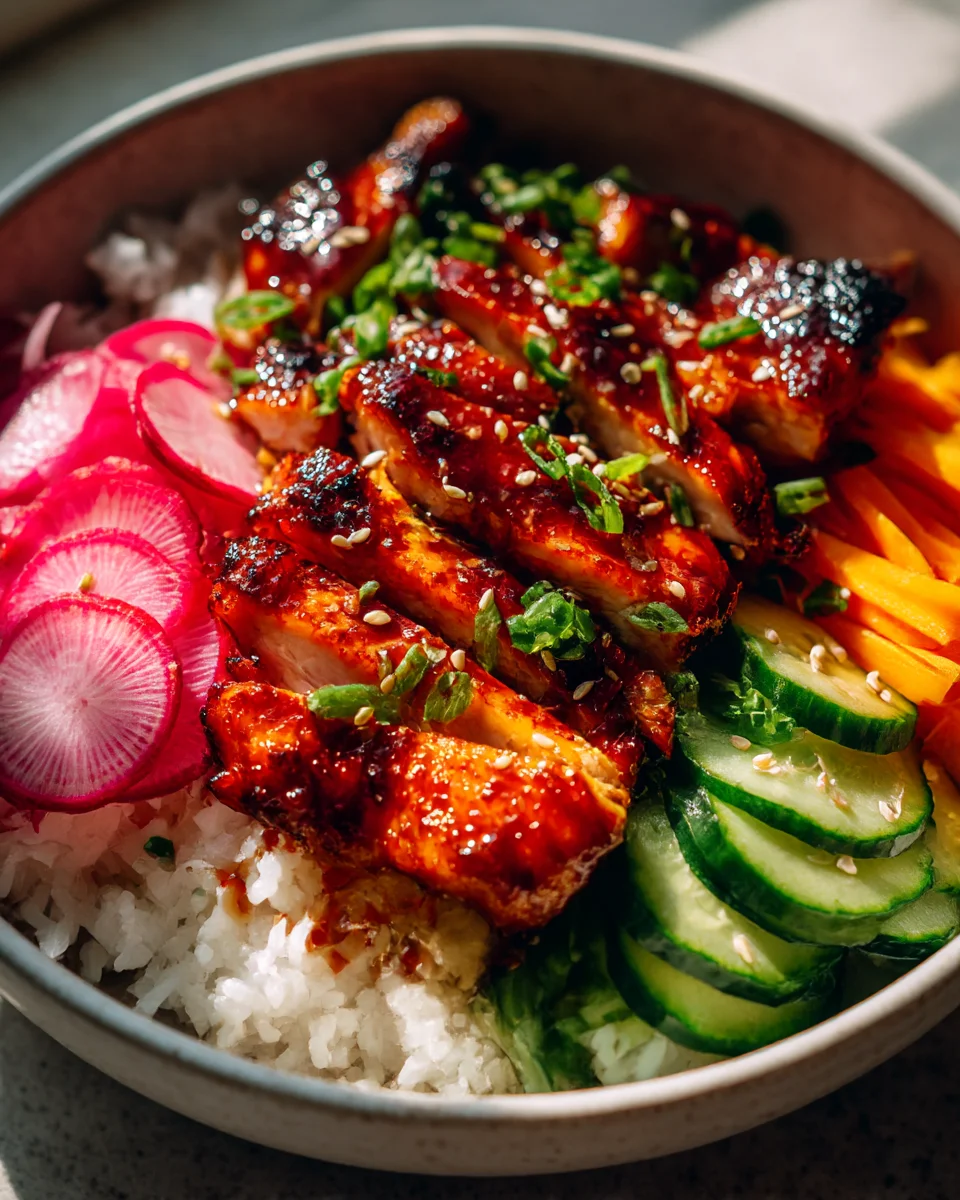
Welcome to the delightful world of the Korean Gochujang Chicken Bowl With Pickled Veggies! This dish is a vibrant fusion of flavors and textures that will transport your taste buds straight to the streets of Seoul. What makes this recipe so special is the perfect balance between the spicy-sweet kick of gochujang, a fermented Korean chili paste, and the refreshing crunch of pickled veggies, creating a bowl that’s not only satisfying but also incredibly delicious.
You’re going to love how easy it is to whip up this bowl of goodness, whether you’re looking for a quick weeknight dinner or a fun meal prep option for the week ahead. The succulent chicken is marinated in the rich, bold flavors of gochujang, while the pickled veggies add a zesty contrast that brightens every bite. Plus, it’s customizable! You can mix and match your favorite vegetables and even adjust the spice level to suit your taste. Let’s dive into this flavorful journey together and create a dish that’s sure to impress your family and friends!

Ingredient Notes
For my Korean Gochujang Chicken Bowl With Pickled Veggies, I love using fresh, vibrant ingredients that bring the dish to life. Here are the key components:
- Chicken: I prefer boneless, skinless chicken thighs for their juiciness and flavor. You can substitute them with chicken breasts if you like a leaner option.
- Gochujang: This fermented Korean chili paste is the star of the dish, providing heat and depth. If you can’t find gochujang, you can make a substitute using red chili paste mixed with a bit of miso for complexity.
- Vegetables: I typically use bell peppers, carrots, and cucumbers for the pickled veggies. Feel free to swap in whatever crunchy vegetables you have on hand, like radishes or zucchini.
- Rice: Short-grain rice is traditional, but you can use jasmine or brown rice for a different texture and flavor.
- Vinegar: Rice vinegar is ideal for pickling. If you don’t have it, white vinegar or apple cider vinegar can work as alternatives.
Step-by-Step Instructions
Creating a Korean Gochujang Chicken Bowl With Pickled Veggies is relatively simple, and I love how quickly it all comes together. Here’s how you can make it:
Step 1: Prepare the Chicken Marinade
In a bowl, mix together 3 tablespoons of gochujang, 2 tablespoons of soy sauce, 1 tablespoon of sesame oil, 1 tablespoon of honey, and a teaspoon of minced garlic. Add your chicken thighs, ensuring they are well-coated. Let them marinate for at least 30 minutes, or up to a few hours in the refrigerator for deeper flavor.
Step 2: Make the Pickled Veggies
While the chicken marinates, prepare the pickled veggies. In a small bowl, combine ½ cup of rice vinegar, 2 tablespoons of sugar, and 1 teaspoon of salt. Stir until dissolved. Slice your chosen vegetables thinly and add them to the vinegar mixture. Let them pickle for at least 30 minutes, stirring occasionally.
Step 3: Cook the Chicken
Heat a skillet over medium-high heat and add a splash of oil. Once hot, add the marinated chicken. Cook for about 6-7 minutes on each side until the chicken is cooked through and has a nice char. Remove from heat and let it rest for a few minutes before slicing.
Step 4: Prepare the Rice
While the chicken is cooking, prepare your rice according to the package instructions. Fluff it with a fork once it’s done, and keep it warm.
Step 5: Assemble the Bowl
To assemble your bowls, start with a base of rice. Top it with sliced chicken, and then add your pickled veggies. You can also include fresh greens like spinach or lettuce for added crunch and nutrition. Drizzle with extra gochujang sauce or sesame oil if desired, and garnish with sesame seeds or chopped scallions.
Tips & Suggestions
Here are some tips to enhance your Korean Gochujang Chicken Bowl With Pickled Veggies:
- Customize the Spice: Adjust the amount of gochujang based on your heat preference. If you like it spicier, add more, or if you prefer milder, use less.
- Vary the Vegetables: Experiment with different pickled or fresh vegetables. Kimchi is a fantastic addition if you want an extra kick!
- Make it a Meal Prep: This bowl is perfect for meal prep. Prepare extra chicken and veggies for quick lunches throughout the week.
- Top with Extras: Consider adding toppings like avocado, toasted nuts, or a fried egg for extra richness and flavor.
Storage
For leftover Korean Gochujang Chicken Bowls, store the components separately to maintain freshness. Place any unused chicken in an airtight container in the fridge, where it will keep well for up to 3 days. The pickled veggies can also be stored in the same container as they tend to get better with time, lasting up to a week. When you’re ready to enjoy, simply reheat the chicken and assemble your bowl fresh with rice and pickled veggies. This dish also freezes well! Just make sure to cool everything down before transferring it to freezer-safe containers, and consume within a month for the best quality.
Enjoy your delicious and colorful Korean Gochujang Chicken Bowl With Pickled Veggies! It’s a dish that’s not only satisfying but also brings a wonderful burst of flavors to your table.
Final Thoughts
If you’re looking for a dish that brings bold flavors and vibrant colors to your table, the Korean Gochujang Chicken Bowl With Pickled Veggies is an absolute must-try! This recipe perfectly balances the spicy and savory notes of gochujang with the refreshing crunch of pickled veggies, creating a delightful harmony that will excite your taste buds. Plus, it’s versatile enough to adapt for any occasion, whether it’s a weeknight dinner or a gathering with friends. I promise, every bite of this Korean Gochujang Chicken Bowl With Pickled Veggies will inspire you to explore more of the delicious world of Korean cuisine. So roll up your sleeves and give it a try—you won’t be disappointed!
Korean Gochujang Chicken Bowl with Tangy Pickled Veggies
Experience the vibrant flavors of Korea with this Gochujang Chicken Bowl paired with refreshing pickled veggies. This dish combines spicy-sweet gochujang with crunchy vegetables for a satisfying meal.
- Prep Time: 30 mins
- Cook Time: 15 mins
- Total Time: 45 minutes
- Yield: 4 servings 1x
- Category: Dinner
- Method: Cooking
- Cuisine: Korean
Ingredients
- boneless, skinless chicken thighs
- 3 tablespoons of gochujang
- 2 tablespoons of soy sauce
- 1 tablespoon of sesame oil
- 1 tablespoon of honey
- 1 teaspoon of minced garlic
- ½ cup of rice vinegar
- 2 tablespoons of sugar
- 1 teaspoon of salt
- bell peppers
- carrots
- cucumbers
- short-grain rice
- jasmine rice
- brown rice
- white vinegar
- apple cider vinegar
Instructions
- In a bowl, mix together 3 tablespoons of gochujang, 2 tablespoons of soy sauce, 1 tablespoon of sesame oil, 1 tablespoon of honey, and a teaspoon of minced garlic. Add your chicken thighs, ensuring they are well-coated. Let them marinate for at least 30 minutes, or up to a few hours in the refrigerator for deeper flavor.
- While the chicken marinates, prepare the pickled veggies. In a small bowl, combine ½ cup of rice vinegar, 2 tablespoons of sugar, and 1 teaspoon of salt. Stir until dissolved. Slice your chosen vegetables thinly and add them to the vinegar mixture. Let them pickle for at least 30 minutes, stirring occasionally.
- Heat a skillet over medium-high heat and add a splash of oil. Once hot, add the marinated chicken. Cook for about 6-7 minutes on each side until the chicken is cooked through and has a nice char. Remove from heat and let it rest for a few minutes before slicing.
- While the chicken is cooking, prepare your rice according to the package instructions. Fluff it with a fork once it’s done, and keep it warm.
- To assemble your bowls, start with a base of rice. Top it with sliced chicken, and then add your pickled veggies. You can also include fresh greens like spinach or lettuce for added crunch and nutrition. Drizzle with extra gochujang sauce or sesame oil if desired, and garnish with sesame seeds or chopped scallions.
Nutrition
- Serving Size: 1 bowl
- Calories: 450
- Sugar: 10 g
- Sodium: 800 mg
- Fat: 15 g
- Saturated Fat: 3 g
- Unsaturated Fat: 10 g
- Trans Fat: 0 g
- Carbohydrates: 60 g
- Fiber: 4 g
- Protein: 25 g
- Cholesterol: 70 mg
Keywords: Customize the spice by adjusting the amount of gochujang based on your heat preference. Experiment with different pickled or fresh vegetables, and consider adding toppings like avocado, toasted nuts, or a fried egg for extra richness.

Leave a Comment