Spicy Szechuan Beef Lo Mein (bold & Fiery)
Oh boy, get ready for a truly electrifying meal because this Spicy Szechuan Beef Lo Mein (bold & Fiery) recipe is about to become your new favorite! I am absolutely thrilled to share a dish that isn’t just a meal, it’s a full-on flavor experience designed to awaken your taste buds. This isn’t your average takeout noodle dish; it’s a culinary journey that brings the vibrant, thrilling intensity of Szechuan cuisine right into your kitchen.
What makes this particular lo mein so special, you ask? Well, it’s all about that incredible balance of textures and, of course, the signature Szechuan heat! You’ll discover tender, succulent slices of beef perfectly stir-fried with bouncy, chewy lo mein noodles and a colorful medley of crisp vegetables. But the real magic happens when it all gets tossed in our irresistibly bold and fiery Szechuan sauce. It’s a carefully crafted blend that delivers that famous “ma la” sensation – a delightful tingle and deep warmth that dances on your tongue, completely free of any alcohol-based ingredients. I just know you’re going to fall in love with how every single bite is packed with complex, savory, and wonderfully spicy notes, making for a hearty and unforgettable dish that’s miles ahead of any delivery service!

Ingredient Notes
Creating an authentic and truly “bold & fiery” Szechuan Beef Lo Mein relies heavily on specific ingredients that deliver that signature numbing-spicy, savory, and aromatic experience. Here’s what I find essential for this dish:
Beef
- Flank Steak or Sirloin: These cuts are fantastic for stir-frying when sliced correctly. I always aim for about 1 pound, thinly sliced against the grain into bite-sized strips, about 1/4 inch thick. Slicing against the grain ensures maximum tenderness.
- Substitution: If you prefer, beef tenderloin or even top round can work, just adjust cooking times slightly as they may be more tender.
Noodles
- Fresh Lo Mein Noodles: My absolute top choice! These fresh egg noodles have a wonderful chewiness and absorb the sauce beautifully. You can usually find them in the refrigerated section of Asian grocery stores.
- Substitution: Dried egg noodles or even spaghetti (cooked al dente) can be used in a pinch, though the texture won’t be quite the same. Cook according to package directions until just tender but still firm.
The Szechuan Spice Profile (Bold & Fiery Essentials!)
- Sichuan Peppercorns: These are non-negotiable for the authentic “ma la” (numbing-spicy) sensation. I recommend toasting them lightly in a dry pan until fragrant, then grinding them fresh. This really awakens their citrusy, floral, and numbing qualities.
- Dried Red Chilies: For that fiery kick and aromatic depth. I love using Szechuan facing heaven chilies or arbol chilies. You’ll want a good handful – don’t be shy for a “bold & fiery” experience!
- Doubanjiang (Sichuan Chili Bean Paste): This fermented broad bean and chili paste is the soul of Szechuan cooking. It provides incredible umami, color, and a rich, savory spice. Look for Pixian brand for the best quality.
- Chili Oil: Essential for layering on extra heat and a beautiful glossy finish. You can use a good quality store-bought version, or make your own for even more flavor.
Sauce and Aromatics
- Soy Sauce: I use a combination of light soy sauce for saltiness and dark soy sauce for color and a touch of sweetness.
- Rice Vinegar: A splash of rice vinegar brightens the sauce and balances the richness.
- Non-Alcohol Alternative (for Shaoxing Wine): Instead of Shaoxing wine, I often use a mix of chicken or vegetable broth with a small pinch of sugar and a tiny dash of white vinegar. This mimics the flavor depth without the alcohol.
- Fresh Ginger & Garlic: Loads of freshly minced ginger and garlic are crucial for building the aromatic foundation of any good stir-fry.
- Scallions: Used throughout – whites for cooking, greens for garnish – they add a fresh, pungent bite.
- Sesame Oil: A drizzle at the very end adds a lovely nutty aroma.
- Cornstarch: Key for marinating the beef to make it incredibly tender, and also for thickening the sauce slightly.
Vegetables
- Bell Peppers: Red and green bell peppers add color, sweetness, and a pleasant crunch.
- Carrots: Thinly sliced or julienned for a touch of sweetness and vibrant color.
- Napa Cabbage or Bok Choy: These leafy greens wilt beautifully and absorb the sauce well.
- Snap Peas or Snow Peas: For extra crunch and freshness.
- Substitution: Feel free to use your favorite stir-fry friendly vegetables like broccoli florets, mushrooms, or bamboo shoots. Just ensure they are cut to similar sizes for even cooking.
Step-by-Step Instructions
Here’s how I bring together this incredible Spicy Szechuan Beef Lo Mein. Remember, stir-frying is fast, so have everything prepped before you start cooking!
- Prepare the Beef:
- First, I thinly slice about 1 pound of beef (flank steak or sirloin) against the grain into 1/4-inch strips.
- In a bowl, I marinate the beef with 1 tablespoon of light soy sauce, 1 tablespoon of cornstarch, and 1 tablespoon of our non-alcohol alternative (broth + pinch of sugar/vinegar). I toss it well and let it sit for at least 15-20 minutes while I prepare everything else. This tenderizes the beef beautifully.
- Cook the Noodles:
- I bring a large pot of salted water to a rolling boil.
- I add my fresh lo mein noodles and cook them according to package directions, usually just 2-3 minutes, until they are al dente. If using dried, follow their instructions.
- Drain the noodles immediately and rinse them briefly with cold water to stop the cooking. Then, I toss them with a tiny drizzle of sesame oil to prevent them from sticking together. Set aside.
- Toast and Grind Szechuan Spices:
- In a small, dry pan over medium-low heat, I add 1-2 tablespoons of Sichuan peppercorns and a handful (about 15-20, or more for extra fiery!) of dried red chilies.
- I toast them gently for 2-3 minutes until fragrant, being careful not to burn them.
- Once cooled slightly, I grind them roughly using a mortar and pestle or a spice grinder. I like a slightly coarse grind for texture.
- Prepare the Sauce:
- In a small bowl, I whisk together 2 tablespoons of light soy sauce, 1 tablespoon of dark soy sauce, 1 tablespoon of rice vinegar, 1 teaspoon of sugar, 1 tablespoon of Doubanjiang (Sichuan chili bean paste), and 1/4 cup of the non-alcohol alternative. I make sure the Doubanjiang is well dissolved.
- Stir-Fry the Beef:
- I heat 1 tablespoon of vegetable oil in a large wok or a heavy-bottomed skillet over high heat until it’s smoking. Getting the wok screaming hot is key!
- I add the marinated beef in a single layer (cook in batches if necessary to avoid overcrowding, which steams the beef instead of searing it).
- I stir-fry for 1-2 minutes per side until the beef is nicely browned and just cooked through. I remove the beef from the wok and set it aside.
- Build the Flavor Base:
- I add another tablespoon of oil to the hot wok, if needed.
- I toss in 1 tablespoon of minced ginger and 3-4 cloves of minced garlic, along with the white parts of 2-3 scallions. I stir-fry for about 30 seconds until fragrant.
- Next, I add the prepared Szechuan peppercorn and dried chili mixture, along with another tablespoon of Doubanjiang, if I’m feeling extra bold and fiery! I stir-fry for another minute, letting the spices bloom in the hot oil.
- Add Vegetables and Noodles:
- I add the bell peppers, carrots, and any other hardier vegetables. I stir-fry for 2-3 minutes until they are tender-crisp.
- Then, I add the napa cabbage or bok choy and snow peas, stirring for another minute until just wilted.
- I return the cooked beef to the wok.
- Finally, I add the cooked noodles and pour in the prepared sauce.
- Toss and Finish:
- I use tongs to toss everything together vigorously, ensuring the noodles are evenly coated with the sauce and all ingredients are well combined. I let it cook for another 1-2 minutes, allowing the sauce to thicken slightly and cling to the noodles.
- I remove the wok from the heat and stir in the green parts of the scallions and a drizzle of sesame oil. For extra heat, I add a final splash of chili oil.
- Serve immediately and enjoy that bold, fiery Szechuan goodness!
Tips & Suggestions
Achieving that perfect “bold & fiery” Szechuan Beef Lo Mein takes a little practice, but these tips will help you nail it every time:
- Mise en Place is Your Best Friend: Seriously, chop all your vegetables, measure out your sauces, and marinate your beef before you even turn on the stove. Stir-frying is incredibly fast, and you don’t want to be scrambling for an ingredient mid-cook.
- Wok Heat is Crucial: For a true stir-fry, get your wok (or heavy-bottomed skillet) smoking hot before adding oil. This creates that desirable “wok hei” or breath of the wok, imparting a smoky, charred flavor. Don’t overcrowd the pan, especially when searing the beef, as this drops the temperature and steams rather than browns.
- Don’t Skip the Sichuan Peppercorns: These are the star of the “ma la” show. The numbing sensation is unique and essential for an authentic Szechuan experience. Toasting them briefly before grinding really enhances their aroma and potency.
- Adjust the Spice Level: This recipe is designed to be “bold & fiery.” If you’re sensitive to heat, start with fewer dried chilies and less Doubanjiang and chili oil. You can always add more chili oil at the table if you want an extra kick. For a milder version, you can deseed the dried chilies before toasting.
- Beef Tenderness: Marinating the beef with cornstarch (known as “velveting”) is a classic Chinese technique that ensures super tender beef. Slicing against the grain is equally important.
- Noodle Choice Matters: While dried noodles work, fresh lo mein noodles truly elevate this dish. Their texture is superior for absorbing the rich Szechuan sauce. If using fresh, don’t overcook them initially; they’ll get another brief cook in the wok.
- Vegetable Flexibility: Feel free to swap in your favorite stir-fry vegetables. Broccoli, snap peas, mushrooms, or even thinly sliced zucchini can all be delicious additions. Just ensure they are cut into similar sizes for even cooking.
- The Non-Alcohol Alternative: My substitution of broth with a pinch of sugar and a dash of vinegar works quite well to mimic the flavor complexity that Shaoxing wine brings, without the alcohol. Don’t be afraid to experiment with the ratios to find your perfect balance.
Storage
While Szechuan Beef Lo Mein is definitely best enjoyed fresh off the wok, leftovers are still quite delicious! Here’s how I typically handle storage:
- Refrigeration: Once cooled to room temperature, I transfer any leftover lo mein into an airtight container. It will keep well in the refrigerator for 3-4 days.
- Freezing: I generally don’t recommend freezing lo mein. The noodles can become mushy and the vegetables lose their crispness upon thawing and reheating. However, if you must, place cooled lo mein in a freezer-safe, airtight container or heavy-duty freezer bag for up to 2-3 months. Be aware that the texture will change significantly.
- Reheating:
- Microwave: This is the quickest method for single servings. I place the lo mein in a microwave-safe dish, add a tablespoon or two of water or broth to help rehydrate the noodles and sauce, and heat on high for 1-2 minutes, stirring halfway through, until thoroughly warmed.
- Stovetop: For larger portions or better texture, I prefer reheating on the stovetop. I heat a non-stick pan or wok over medium heat with a tiny drizzle of oil. Add the lo mein, along with a splash of water or broth, and stir-fry gently for 3-5 minutes until heated through. This helps prevent the noodles from drying out and allows some of that stir-fried flavor to return.
- Food Safety: Always ensure leftovers are cooled quickly after cooking before refrigerating. When reheating, make sure the food reaches an internal temperature of 165°F (74°C).
Final Thoughts
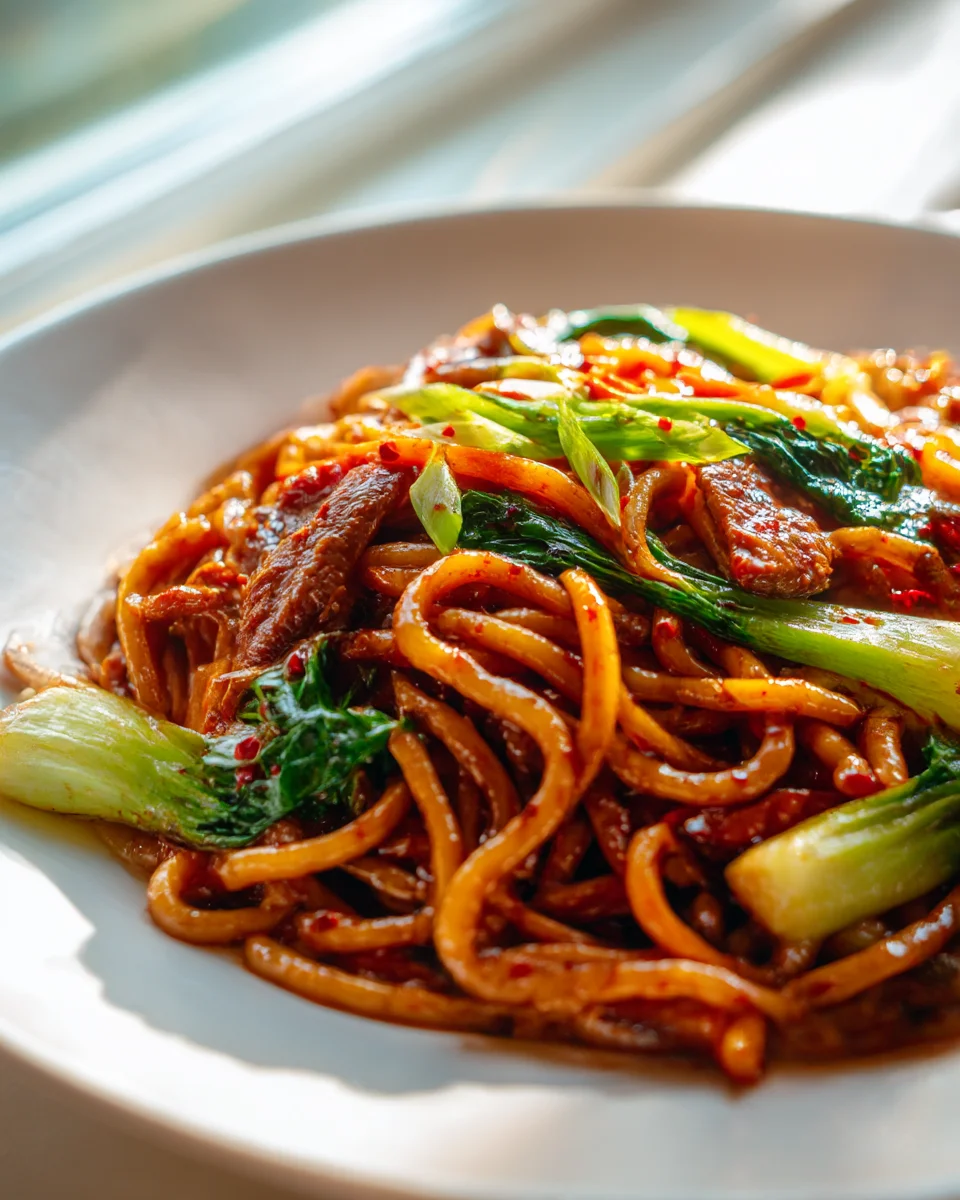
And there you have it, my friends! I truly hope you’re ready to bring the vibrant, electrifying flavors of the Spicy Szechuan Beef Lo Mein (bold & Fiery) into your kitchen. This isn’t just another noodle dish; it’s an adventure for your taste buds, promising that unique Szechuan tingle that dances with the robust, savory beef and perfectly chewy lo mein noodles.
What makes this specific recipe a standout and a definite must-try? It’s that exhilarating combination of bold spices, the fiery kick balanced by delicious layers of flavor, and the incredible satisfaction of creating a restaurant-quality meal right at home. Forget bland takeout – this Spicy Szechuan Beef Lo Mein (bold & Fiery) is a celebration of flavor that will warm you from the inside out and leave you craving more. Trust me, once you experience its bold character and fiery spirit, you’ll understand why I can’t stop raving about it. Give it a try; I promise you won’t regret bringing this sensational dish to your table!
Spicy Szechuan Beef Lo Mein Recipe: Bold & Fiery Noodles
Get ready for a flavor-packed adventure with this Spicy Szechuan Beef Lo Mein! This dish combines tender beef, chewy noodles, and a vibrant medley of vegetables, all tossed in a bold and fiery Szechuan sauce.
- Prep Time: 20 mins
- Cook Time: 15 mins
- Total Time: 35 minutes
- Yield: 4 servings 1x
- Category: Dinner
- Method: Stir-frying
- Cuisine: Szechuan
Ingredients
- 1 pound Flank Steak or Sirloin, thinly sliced against the grain
- 1 tablespoon light soy sauce (for marinating beef)
- 1 tablespoon cornstarch (for marinating beef)
- 1 tablespoon non-alcohol alternative (broth + pinch of sugar/vinegar)
- Fresh Lo Mein Noodles (cooked according to package directions)
- 1–2 tablespoons Sichuan peppercorns
- 15–20 dried red chilies (Szechuan facing heaven or arbol chilies)
- 2 tablespoons light soy sauce (for sauce)
- 1 tablespoon dark soy sauce (for sauce)
- 1 tablespoon rice vinegar (for sauce)
- 1 teaspoon sugar (for sauce)
- 1 tablespoon Doubanjiang (Sichuan chili bean paste, for sauce)
- 1/4 cup non-alcohol alternative (for sauce)
- 1 tablespoon vegetable oil (for stir-frying beef)
- 1 tablespoon minced ginger
- 3–4 cloves minced garlic
- 2–3 scallions (whites for cooking, greens for garnish)
- 1 tablespoon vegetable oil (for stir-frying vegetables)
- Bell Peppers (red and green, sliced)
- Carrots (thinly sliced or julienned)
- Napa Cabbage or Bok Choy (chopped)
- Snap Peas or Snow Peas
- Drizzle of sesame oil (for finishing)
- Splash of chili oil (for finishing)
Instructions
- Thinly slice about 1 pound of beef (flank steak or sirloin) against the grain into 1/4-inch strips.
- In a bowl, marinate the beef with 1 tablespoon of light soy sauce, 1 tablespoon of cornstarch, and 1 tablespoon of the non-alcohol alternative. Toss well and let sit for at least 15-20 minutes.
- Bring a large pot of salted water to a rolling boil.
- Add fresh lo mein noodles and cook according to package directions, usually just 2-3 minutes until al dente. Drain and rinse with cold water, then toss with a drizzle of sesame oil.
- In a small, dry pan over medium-low heat, add 1-2 tablespoons of Sichuan peppercorns and a handful of dried red chilies. Toast gently for 2-3 minutes until fragrant, then grind them roughly.
- In a small bowl, whisk together 2 tablespoons of light soy sauce, 1 tablespoon of dark soy sauce, 1 tablespoon of rice vinegar, 1 teaspoon of sugar, 1 tablespoon of Doubanjiang, and 1/4 cup of the non-alcohol alternative until well combined.
- Heat 1 tablespoon of vegetable oil in a large wok or skillet over high heat until smoking. Add the marinated beef in a single layer and stir-fry for 1-2 minutes per side until browned. Remove beef from the wok and set aside.
- Add another tablespoon of oil to the hot wok if needed. Toss in 1 tablespoon of minced ginger, 3-4 cloves of minced garlic, and the white parts of 2-3 scallions. Stir-fry for about 30 seconds until fragrant.
- Add the toasted Szechuan peppercorn and dried chili mixture, along with another tablespoon of Doubanjiang if desired. Stir-fry for another minute.
- Add the bell peppers, carrots, and any other hardier vegetables. Stir-fry for 2-3 minutes until tender-crisp. Then add napa cabbage or bok choy and snow peas, stirring for another minute until just wilted.
- Return the cooked beef to the wok and add the cooked noodles along with the prepared sauce.
- Toss everything together vigorously with tongs, ensuring the noodles are evenly coated. Cook for another 1-2 minutes to allow the sauce to thicken slightly.
- Remove from heat and stir in the green parts of the scallions and a drizzle of sesame oil. For extra heat, add a splash of chili oil. Serve immediately.
Nutrition
- Serving Size: 1 bowl
- Calories: 600
- Sugar: 5 g
- Sodium: 1200 mg
- Fat: 20 g
- Saturated Fat: 3 g
- Unsaturated Fat: 15 g
- Trans Fat: 0 g
- Carbohydrates: 80 g
- Fiber: 5 g
- Protein: 30 g
- Cholesterol: 70 mg
Keywords: Mise en place is crucial for stir-frying. Ensure all ingredients are prepped before cooking. Adjust the spice level to your preference by using fewer dried chilies and less Doubanjiang if sensitive to heat.
Leave a Comment