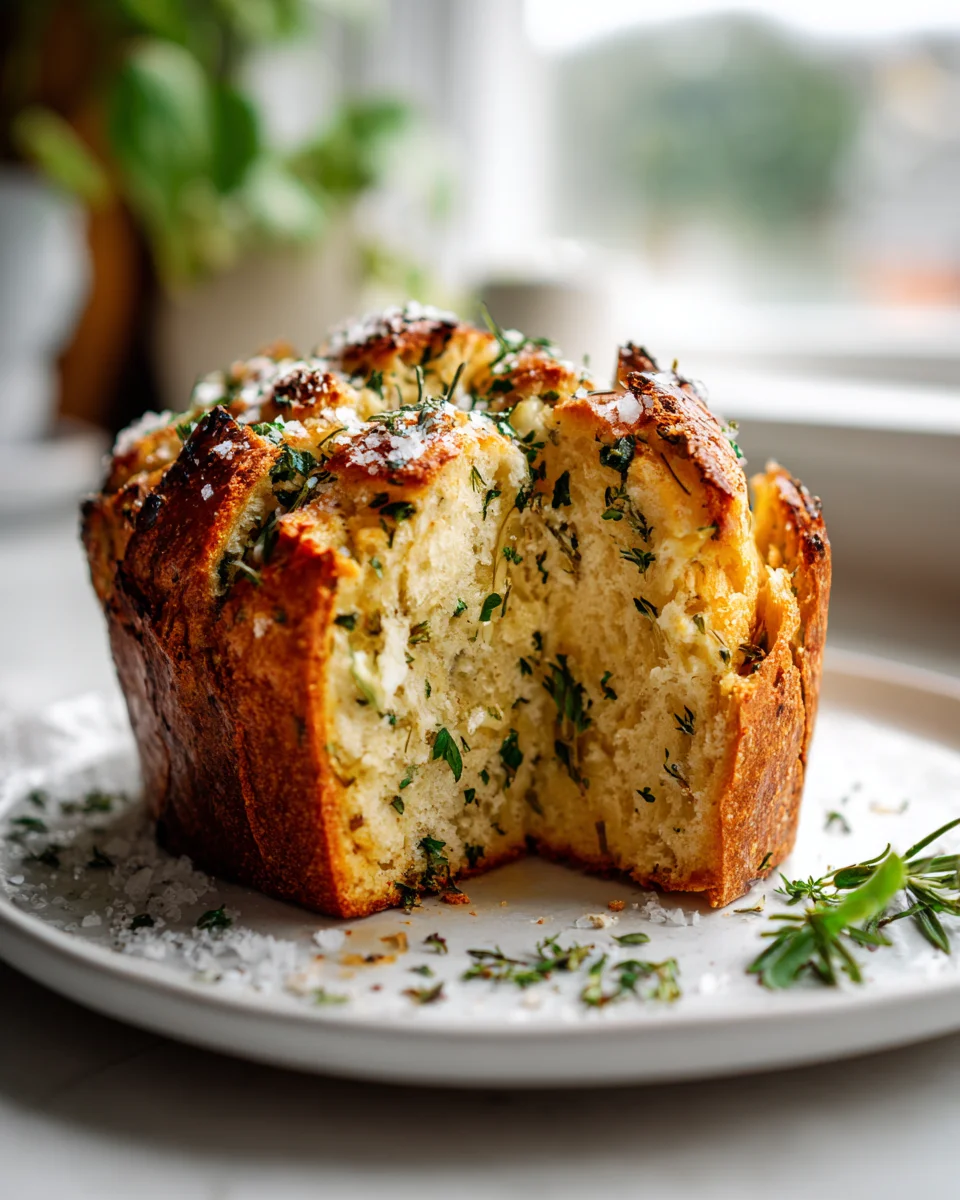
One of my fondest memories involves a cozy kitchen, the faint sound of raindrops tapping against the window, and the irresistible aroma of garlic filling the air. My grandmother used to whip up her famous Savory Garlic Herb Bread every Sunday, the kind of bread that made you feel instantly at home. As she kneaded the dough, she would sprinkle in fresh herbs, and the anticipation of that first warm slice was almost too much to bear. The crust would be golden and crisp, giving way to an incredibly soft, fragrant interior that was always infused with the perfect balance of garlic and herbs.
This Savory Garlic Herb Bread isn’t just any recipe; it’s a tribute to those cherished moments and the love that goes into homemade cooking. Each bite bursts with flavor, the garlic mingling beautifully with thyme, rosemary, and a hint of sea salt. It’s the kind of bread that makes you want to gather around the table, share stories, and savor every moment. My version stands out because I add a touch of parmesan cheese, creating a delightful richness that complements the herbs and elevates the overall experience.
So, whether you’re planning a family dinner or simply craving something comforting, this bread will surely impress. Let me show you exactly how to make it.

Why You’ll Love This Recipe
- It boasts a crusty exterior with a soft, chewy interior, creating a delightful contrast in texture.
- The aromatic blend of garlic and fresh herbs infuses the bread with a savory flavor that elevates any meal.
- Ready in about 2 hours, including rising time, making it perfect for a weekend project or a spontaneous dinner side.
- Requires just 10 simple ingredients, all of which are budget-friendly and easy to find at your local grocery store.
- Versatile enough to be enjoyed on its own, with soups, or as a base for sandwiches—your options are endless!
Ingredients
- 3 ½ cups (450g) all-purpose flour
- 1 packet (2 ¼ teaspoons or 7g) active dry yeast
- 1 teaspoon granulated sugar
- 1 ½ teaspoons salt
- 1 cup (240ml) warm water (about 110°F or 43°C)
- 3 tablespoons olive oil, plus extra for greasing
- 5 cloves garlic, minced
- 2 tablespoons fresh rosemary, finely chopped (or 1 tablespoon dried)
- 2 tablespoons fresh parsley, finely chopped (or 1 tablespoon dried)
- 1 teaspoon dried thyme
- ½ teaspoon black pepper
- 1 teaspoon coarse sea salt (for topping)
In this Savory Garlic Herb Bread, each ingredient plays a crucial role. The all-purpose flour provides the structure and chewiness, while the active dry yeast helps the dough rise, creating a light and airy interior. Make sure to use fresh yeast for the best results; if you can’t find it, you can substitute with instant yeast at the same quantity. The granulated sugar helps activate the yeast, which is essential for a good rise.
Garlic is the star flavor, and using fresh minced cloves really makes a difference—its pungency is unmatched. If you’re short on garlic, garlic powder can work in a pinch, but fresh is always best for that authentic taste. The fresh herbs—rosemary and parsley—add a vibrant aroma and flavor. You can substitute dried herbs if fresh isn’t available, but use about one-third of the amount since dried herbs are more concentrated. Lastly, a pinch of black pepper adds depth, while coarse sea salt on top gives a lovely crunch and enhances the overall flavor.
Step-by-Step Instructions
- In a small bowl, combine the warm water, sugar, and active dry yeast. Let it sit for about 5-10 minutes until it becomes frothy. This indicates that the yeast is active. If it doesn’t froth, your yeast may be dead; try again with fresh yeast.
- In a large mixing bowl, whisk together the all-purpose flour and salt. Make a well in the center and pour in the frothy yeast mixture along with the olive oil.
- Using a wooden spoon or your hands, mix until the dough begins to come together. It should be slightly sticky but manageable. If it’s too wet, add a little more flour, a tablespoon at a time, until you reach the desired consistency.
- Transfer the dough to a lightly floured surface and knead for about 8-10 minutes. The dough should become smooth and elastic. A common mistake is over-kneading, which can make the bread tough, so knead just until it springs back when poked.
- Form the kneaded dough into a ball and place it in a greased bowl, turning it to coat with oil. Cover with a damp cloth or plastic wrap and let it rise in a warm place for 1 hour or until it doubles in size. A good visual cue is that the dough should feel puffy and light.
- Once risen, punch down the dough gently to release the air. Add the minced garlic, rosemary, parsley, thyme, and black pepper. Knead the herbs and garlic into the dough for about 1-2 minutes until evenly distributed.
- Shape the dough into a loaf or round shape, depending on your preference. Place it on a greased baking sheet or in a loaf pan. Cover again and let it rise for an additional 30 minutes until puffy.
- Preheat your oven to 375°F (190°C). Once the dough has risen, sprinkle the top with coarse sea salt. Bake for 25-30 minutes, or until the bread is golden brown and sounds hollow when tapped on the bottom. Avoid opening the oven door too early, as this can deflate the dough.
- Remove from the oven and let it cool on a wire rack for at least 15 minutes before slicing. This allows the steam to escape and prevents the bread from becoming soggy.
Pro Tips for the Best Savory Garlic Herb Bread
- Ensure your water is at the right temperature (about 110°F or 43°C); too hot can kill the yeast, and too cold can slow down the activation process. A kitchen thermometer can be a handy tool here!
- When kneading the dough, a light dusting of flour on your surface is helpful, but avoid adding too much to prevent the bread from becoming dense. It’s better to have a slightly sticky dough than a dry one.
- Experiment with the herb ratios based on your preference. More rosemary for a stronger flavor or an addition of thyme can provide an interesting twist. Don’t shy away from mixing different herbs like oregano or basil!
- A common mistake is not allowing the dough enough time to rise. Be patient; a well-risen dough leads to a lighter bread. If your kitchen is cool, consider placing the dough in a slightly warm oven (turned off) to help it rise faster.
- Use a serrated knife to slice the bread once cooled. This prevents squishing the loaf and gives you beautiful, even slices that are perfect for serving.
Variations & Serving Ideas
- For a spicy kick, add red pepper flakes or diced jalapeños to the dough.
- Incorporate shredded cheese, such as mozzarella or parmesan, for a cheesy garlic herb bread.
- Try adding sun-dried tomatoes or olives for a Mediterranean twist that pairs beautifully with Italian dishes.
- For a seasonal twist, incorporate pumpkin puree in the dough for a fall-inspired variation.
This bread pairs wonderfully with hearty soups like minestrone or creamy tomato. The crusty exterior and soft interior provide a perfect vehicle for dipping. It also complements a fresh salad, balancing the crispness with its savory depth. Another great option is to serve it alongside grilled meats or as a sandwich base, enhancing the overall meal experience.
Storage, Make-Ahead & Reheating
Store your Savory Garlic Herb Bread in an airtight container at room temperature for up to 3 days. For longer storage, it freezes beautifully—wrap it tightly in plastic wrap and then in aluminum foil, and it will last for up to 3 months. When ready to enjoy, simply thaw at room temperature, then reheat in a preheated oven at 350°F (175°C) for about 10-15 minutes until warmed through. Interestingly, this bread tends to taste even better the next day, as the flavors have more time to meld together!
Frequently Asked Questions
Can I make Savory Garlic Herb Bread ahead of time?
Yes — in fact, it tastes even better the next day! You can prepare the dough and let it rise, then shape it and refrigerate it overnight before baking. Just allow it to come to room temperature for about 30 minutes before baking.
Can I use whole wheat flour instead of all-purpose flour?
Yes, you can substitute whole wheat flour for part of the all-purpose flour, but start with a 50% ratio to maintain lightness. Whole wheat flour absorbs more moisture, so you may need to adjust the water slightly.
What can I do if my dough doesn’t rise?
If your dough doesn’t rise, it’s likely due to inactive yeast or a too-cool environment. Ensure your yeast is fresh and consider placing the dough in a warm, draft-free area to encourage rising.
Can I add other herbs to the bread?
Absolutely! Feel free to experiment with other fresh or dried herbs, such as basil, oregano, or chives. Each herb will impart its unique flavor, making your bread even more personalized.
How can I tell when the bread is done baking?
The bread is done when it is golden brown and sounds hollow when tapped on the bottom. Additionally, using
Final Thoughts
Savory Garlic Herb Bread is a true delight that brings together the aromatic essence of garlic and fresh herbs, creating a warm, comforting loaf that’s perfect for any meal. The satisfying crunch of the crust paired with the soft, flavorful interior makes it an irresistible addition to your dining table.
This is the kind of recipe I come back to again and again, especially when I want to impress guests or simply indulge in a cozy night at home. The smell of baking bread fills my kitchen with warmth and nostalgia, reminding me of cherished moments spent with loved ones. I encourage you to give this recipe a try; experiment with your favorite herbs or add a touch of cheese for extra flavor! Don’t forget to share your results or any delicious twists you make—you might inspire someone else to create their own perfect loaf!
Savory Garlic Herb Bread

This Savory Garlic Herb Bread is a delightful tribute to homemade cooking, bursting with flavor from garlic and fresh herbs. It’s perfect for family dinners or simply enjoying at home.
- Prep Time: 15 mins
- Cook Time: 30 mins
- Total Time: 45 minutes
- Yield: 1 loaf 1x
- Category: Bread
- Method: Baking
- Cuisine: Homemade
Ingredients
- 3 ½ cups (450g) all-purpose flour
- 1 packet (2 ¼ teaspoons or 7g) active dry yeast
- 1 teaspoon granulated sugar
- 1 ½ teaspoons salt
- 1 cup (240ml) warm water (about 110°F or 43°C)
- 3 tablespoons olive oil, plus extra for greasing
- 5 cloves garlic, minced
- 2 tablespoons fresh rosemary, finely chopped (or 1 tablespoon dried)
- 2 tablespoons fresh parsley, finely chopped (or 1 tablespoon dried)
- 1 teaspoon dried thyme
- ½ teaspoon black pepper
- 1 teaspoon coarse sea salt (for topping)
Instructions
- In a small bowl, combine the warm water, sugar, and active dry yeast. Let it sit for about 5-10 minutes until it becomes frothy. This indicates that the yeast is active. If it doesn’t froth, your yeast may be dead; try again with fresh yeast.
- In a large mixing bowl, whisk together the all-purpose flour and salt. Make a well in the center and pour in the frothy yeast mixture along with the olive oil.
- Using a wooden spoon or your hands, mix until the dough begins to come together. It should be slightly sticky but manageable. If it’s too wet, add a little more flour, a tablespoon at a time, until you reach the desired consistency.
- Transfer the dough to a lightly floured surface and knead for about 8-10 minutes. The dough should become smooth and elastic. A common mistake is over-kneading, which can make the bread tough, so knead just until it springs back when poked.
- Form the kneaded dough into a ball and place it in a greased bowl, turning it to coat with oil. Cover with a damp cloth or plastic wrap and let it rise in a warm place for 1 hour or until it doubles in size. A good visual cue is that the dough should feel puffy and light.
- Once risen, punch down the dough gently to release the air. Add the minced garlic, rosemary, parsley, thyme, and black pepper. Knead the herbs and garlic into the dough for about 1-2 minutes until evenly distributed.
- Shape the dough into a loaf or round shape, depending on your preference. Place it on a greased baking sheet or in a loaf pan. Cover again and let it rise for an additional 30 minutes until puffy.
- Preheat your oven to 375°F (190°C). Once the dough has risen, sprinkle the top with coarse sea salt. Bake for 25-30 minutes, or until the bread is golden brown and sounds hollow when tapped on the bottom. Avoid opening the oven door too early, as this can deflate the dough.
- Remove from the oven and let it cool on a wire rack for at least 15 minutes before slicing. This allows the steam to escape and prevents the bread from becoming soggy.
Nutrition
- Serving Size: 1 slice
- Calories: 150
- Sugar: 1 g
- Sodium: 300 mg
- Fat: 5 g
- Saturated Fat: 1 g
- Unsaturated Fat: 4 g
- Trans Fat: 0 g
- Carbohydrates: 24 g
- Fiber: 1 g
- Protein: 4 g
- Cholesterol: 0 mg
Keywords: Ensure your water is at the right temperature (about 110°F or 43°C); too hot can kill the yeast, and too cold can slow down the activation process. Use a serrated knife to slice the bread once cooled to prevent squishing the loaf.



Leave a Comment